
CONDITIONS WE TREAT
Benzodiazepine Addiction Treatment in New Jersey
Safe benzo addiction treatment — never stop benzodiazepines abruptly without medical guidance first.
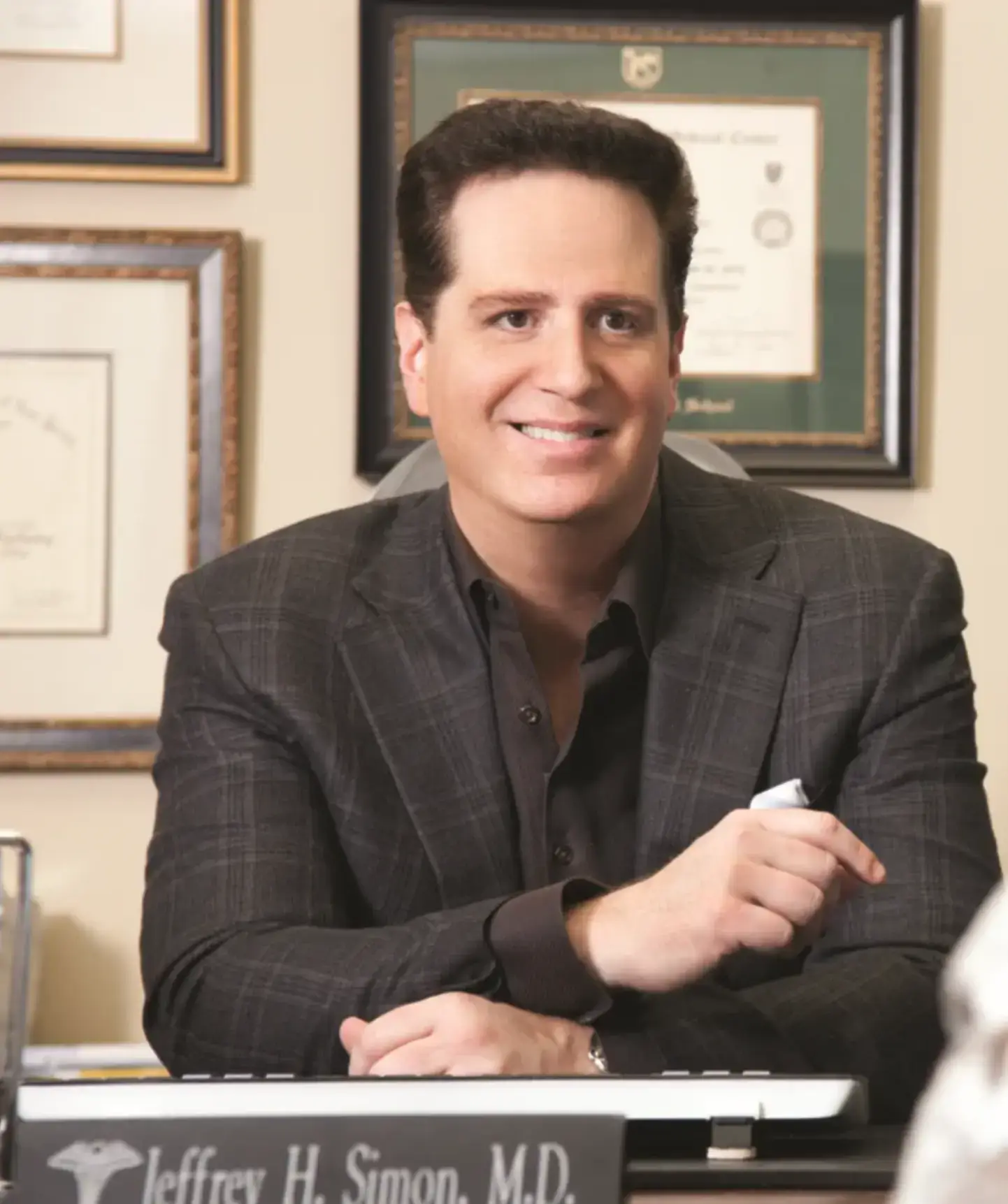 Medically reviewed by Dr. Jeffrey Simon, MD, Chief Medical Officer
Never stop taking benzodiazepines abruptly — withdrawal can cause life-threatening seizures even in patients with moderate dependence.
Call Cherry Hill Recovery Center before making any changes — 856-200-3127
Free. Confidential. No commitment.
Benzodiazepine Addiction in New Jersey
Benzodiazepines — prescription sedative medications including Xanax (alprazolam), Valium (diazepam), Klonopin (clonazepam), Ativan (lorazepam), and Restoril (temazepam) — are among the most commonly prescribed and most commonly misused medications in the United States. Because they are prescribed by doctors, many patients and families assume they are inherently safe. They are not — benzodiazepine dependence develops readily, even at therapeutic doses, and withdrawal from benzodiazepines can be medically life-threatening. At Cherry Hill Recovery Center, our medical and clinical team provides comprehensive benzodiazepine addiction treatment — beginning with safe, medically supervised detox referral and coordination and coordinating every step through PHP or IOP and ongoing clinical support.
How Benzodiazepine Addiction Develops
Benzodiazepines work by enhancing the activity of GABA — the brain's primary inhibitory neurotransmitter — producing sedation, anxiety relief, and muscle relaxation. With regular use, the brain adapts by reducing its own natural GABA production and downregulating GABA receptors, making the medication progressively less effective and creating a state of neurological dependence. This process can occur within weeks of regular use — even at doses prescribed by a doctor and taken exactly as directed. This is not a character flaw or a sign of weakness. It is a predictable physiological response to a powerful class of medications.
Prescription Dependence vs Misuse — Both Require Help
Benzodiazepine addiction presents differently from many other substance use disorders because a significant portion of people who become dependent developed that dependence while taking their medication exactly as prescribed. There is no clear line between prescription dependence and addiction — both involve neurological dependence, both produce dangerous withdrawal, and both require medically supervised detox and clinical support. Cherry Hill Recovery Center treats both populations with equal expertise, compassion, and clinical rigor.
Signs of Benzodiazepine Dependence and Addiction
Signs that benzodiazepine use has progressed to dependence or addiction include needing increasing doses to achieve the same effect, experiencing anxiety, irritability, or physical discomfort between doses, obtaining benzodiazepines from multiple sources or beyond prescribed amounts, feeling unable to function normally without the medication, significant memory impairment or cognitive difficulties, withdrawal symptoms when doses are missed or reduced — including tremors, sweating, insomnia, and in severe cases seizures, and failed attempts to reduce or stop use despite wanting to.
Is Valium a Benzodiazepine?
Yes. Valium is a benzodiazepine. Its generic name is diazepam. It sits in the same drug class as Xanax, Klonopin, Ativan, and Restoril — all of them work by boosting GABA, the brain chemical that calms the nervous system. People often ask whether Valium is a benzo because it is prescribed for so many different reasons: anxiety, muscle spasms, seizures, and alcohol withdrawal. The reason does not change the class. Valium is a benzo in every case.
What sets Valium apart from the others is how long it lasts. Diazepam is a long-acting benzodiazepine with a half-life that can stretch past 48 hours, and its active metabolites linger even longer. Two things follow from that. First, doctors sometimes switch a patient from a short-acting benzo like Xanax to diazepam so the taper is smoother. Second, withdrawal from Valium can be delayed — symptoms may not show up for two to seven days after the last dose. That delay is dangerous, because it can convince someone they are in the clear when the highest seizure risk is still ahead of them.
- Valium (diazepam) — long-acting benzodiazepine, moderate potency
- Xanax (alprazolam) — short-acting benzodiazepine, high potency
- Klonopin (clonazepam) — long-acting benzodiazepine, high potency
- Ativan (lorazepam) — short-acting benzodiazepine, high potency
- Restoril (temazepam) — short-acting benzodiazepine, prescribed for insomnia
Valium is not an opioid. Opioids like oxycodone and fentanyl act on entirely different receptors. The two classes get confused because both are sedating and both cause dependence. Mixing them is the real danger — benzodiazepines taken alongside opioids sharply raise the risk of fatal respiratory depression. Learn more about our opioid addiction treatment if both substances are involved.
If you want the detection-window details, our guide on how long Valium stays in your system covers half-life, drug testing, and what affects clearance. If you are taking Valium daily and want to stop, do not taper on your own. Call 856-200-3127 and our clinical team will walk you through a safe plan.
Why Benzo Withdrawal Is Dangerous Without Medical Help
Benzodiazepine withdrawal is one of the few forms of withdrawal that can be directly fatal without medical supervision. Understanding this risk is essential — whether you are a patient or a family member trying to help.
Still Requires Medical Supervision
Even patients with mild to moderate benzodiazepine dependence can experience dangerous withdrawal symptoms when stopping abruptly. There is no reliable way to predict who will have a severe reaction without a clinical assessment. Our medical team assesses every patient and coordinates the appropriate level of medically supervised detox before any cessation attempt begins.
Seizure Risk Is Real
Seizures during benzodiazepine withdrawal can occur without warning — sometimes as the first withdrawal symptom, before other signs appear. Unlike alcohol seizures which typically peak at 24 to 48 hours, benzo seizures can occur days or even weeks after the last dose depending on the specific medication and its half-life. Medical supervision throughout the taper process is essential.
Life-Threatening Emergency
Severe benzodiazepine withdrawal can cause status epilepticus — prolonged, uncontrolled seizures — as well as delirium, psychosis, and cardiovascular instability. This is a medical emergency. If someone stops benzodiazepines abruptly and develops seizures, confusion, or extreme agitation — call 911 immediately.
The Long Taper Reality
Unlike most other substances where detox takes days to a week, benzodiazepine detox often requires a slow, medically managed taper that can take weeks to months depending on the medication, the dose, and the duration of use. Cherry Hill Recovery Center refers patients to detox providers experienced in long-duration benzo taper protocols — not facilities that apply a generic opioid detox timeline to a completely different clinical challenge.
Call 856-200-3127 before making any changes →Common Benzodiazepines We Treat at Cherry Hill Recovery Center
Benzodiazepines vary significantly in potency, onset, and duration of action — all of which affect the withdrawal timeline and the approach to detox referral. Here are the most common benzodiazepines our clinical team sees and what makes each clinically significant.
Xanax (Alprazolam)
Short-acting · High Potency
Xanax is one of the most commonly prescribed and most commonly misused benzodiazepines. Its short duration of action means withdrawal symptoms begin quickly after missed doses — driving frequent dosing and rapid escalation of dependence. Xanax withdrawal is among the most challenging to manage and typically requires a structured taper protocol at a medically supervised facility.
Klonopin (Clonazepam)
Long-acting · High Potency
Klonopin's longer half-life means withdrawal symptoms develop more slowly — sometimes not appearing until days after the last dose. This can give a false sense of safety when stopping. Seizure risk with Klonopin withdrawal remains high and can emerge unexpectedly even a week or more after the last dose.
Valium (Diazepam)
Long-acting · Moderate Potency
Valium's very long half-life means it stays in the system for extended periods — which is sometimes used therapeutically in taper protocols. However, dependence at high doses still carries serious withdrawal risks and requires medically supervised management.
Ativan (Lorazepam)
Short-acting · High Potency
Ativan shares many of the same rapid dependence and withdrawal challenges as Xanax due to its short duration of action. It is commonly prescribed for anxiety and procedural sedation, and dependence can develop quickly even at prescribed doses.
Restoril (Temazepam)
Short-acting · Moderate Potency
Restoril is commonly prescribed for insomnia. Dependence develops readily with regular use and withdrawal can significantly worsen the sleep disturbances it was prescribed to treat — creating a cycle that makes stopping particularly difficult without clinical support.
Mixed or Unknown Benzodiazepines
Street Benzos · Highest Risk
Street benzodiazepines — including counterfeit Xanax and novel designer benzodiazepines like flualprazolam and etizolam — are increasingly common in New Jersey and carry unpredictable potency and withdrawal timelines. Our clinical team assesses every patient individually regardless of the specific substance involved.
Our Benzodiazepine Detox Referral and Coordination Process
Cherry Hill Recovery Center does not operate an on-site detox facility. For benzodiazepine addiction specifically — where withdrawal carries genuine life-threatening risk — we believe that matching each patient to the right medically supervised detox environment is far more important than simply placing them in any available bed. Our clinical team assesses the specific benzodiazepine involved, the dose, the duration of use, any prior withdrawal history, and any co-occurring medical or psychiatric conditions — then refers the patient to the detox provider best equipped to manage their specific clinical profile safely.
Benzodiazepine detox is not a short process. Unlike opioid detox which typically takes 5 to 10 days, a safe benzodiazepine taper can take weeks to months depending on the medication and severity of dependence. Our clinical team specifically refers patients to facilities experienced in long-duration benzo taper protocols — not facilities that apply a generic detox timeline to what is a uniquely complex clinical challenge.
Throughout the detox process, our team remains in contact with the receiving facility. When detox is complete and the patient is clinically stable, we coordinate their transition directly into our PHP or IOP program — where the behavioral, psychological, and psychiatric dimensions of benzodiazepine addiction are addressed through structured therapy and ongoing clinical support.
Benzodiazepine Addiction Treatment Programs at Cherry Hill Recovery Center
From safe detox referral through PHP, IOP, and dual-diagnosis psychiatric care — our clinical team coordinates every step of your benzodiazepine addiction treatment.
Benzo Detox Referral & Coordination
Benzodiazepine detox requires specialist medical supervision. We assess your specific situation — the medication, dose, duration, and withdrawal history — and refer you to a detox provider experienced in benzo taper protocols. We stay involved throughout and transition you directly into PHP or IOP upon completion.
Learn About Detox Referral →Partial Hospitalization Program (PHP)
PHP provides five to six days per week of intensive clinical care following benzo detox. The daily structure, psychiatric oversight, and evidence-based therapy of PHP is particularly valuable for patients whose benzo addiction involved significant anxiety, PTSD, or co-occurring psychiatric conditions.
Learn About PHP →Intensive Outpatient Program (IOP)
IOP provides structured addiction treatment three to four days per week — allowing patients to maintain daily responsibilities while receiving meaningful clinical support. Available in person and virtually across New Jersey. Often the ideal step-down following PHP for benzo recovery patients.
Learn About IOP →Dual-Diagnosis Psychiatric Care
Anxiety disorders, PTSD, panic disorder, and insomnia — the conditions most commonly driving benzodiazepine use — are assessed and treated alongside addiction by our clinical team. Treating the underlying condition is often what makes the difference between sustained recovery and repeated relapse.
Learn About Psychiatric Care →Benzodiazepine Withdrawal Timeline — Why It Is Unlike Other Withdrawals
Benzodiazepine withdrawal is uniquely complex because the timeline varies dramatically based on which benzodiazepine was used, its half-life, the dose, and the duration of use. Here is a general guide — but every patient's timeline is different, which is exactly why individual clinical assessment before any cessation attempt is essential.
Short-Acting Benzos (Xanax, Ativan) — Hours to 1–2 Days After Last Dose
Early Withdrawal Onset
For short-acting benzodiazepines, withdrawal symptoms begin rapidly — sometimes within hours of the last dose. Anxiety, insomnia, irritability, tremors, and sweating emerge quickly. The speed of onset makes medical supervision from day one particularly critical for these medications.
Long-Acting Benzos (Valium, Klonopin) — 2–7 Days After Last Dose
Delayed But Serious Onset
Longer-acting benzos can create a dangerous false sense of security — symptoms may not appear for several days after stopping, leading patients to believe they are managing safely when in reality they are in a pre-seizure window. Seizures can emerge unexpectedly without earlier warning symptoms.
Days 3–14 — All Benzodiazepines
Peak Seizure Risk
This is the highest risk window for seizures across all benzodiazepine types. 24-hour medical monitoring at a properly equipped detox facility — which our team refers and coordinates for you — is essential during this phase. Anti-seizure medications and a carefully managed taper protocol are the standard of care.
Weeks 2–8
Protracted Taper Phase
Unlike most other withdrawals, benzodiazepine detox often continues as a slow, monitored medication taper for weeks to months. This is clinically necessary to prevent rebound seizures and manage the neurological re-adjustment process safely. Our clinical team remains in contact throughout this entire period.
Months 1–6+
Post-Acute Withdrawal Syndrome (PAWS)
Many patients experience prolonged anxiety, insomnia, cognitive difficulties, and emotional instability for months after completing benzo detox. Ongoing PHP or IOP provides critical therapeutic support during this extended phase — particularly addressing the anxiety and sleep disruption that often drove the original benzodiazepine use.
Do Not Try to Manage This Timeline Alone
The unpredictability of benzodiazepine withdrawal — and the genuine risk of life-threatening seizures at any point in that timeline — makes medically supervised detox non-negotiable. Call Cherry Hill Recovery Center before making any changes to your benzodiazepine use. We will assess your situation and coordinate the right level of medical support.
Call 856-200-3127 →Ketamine and Benzodiazepines — Understanding the Risks
Ketamine is increasingly prescribed for treatment-resistant depression and used recreationally — and it is frequently combined with benzodiazepines like Xanax, Valium, and Klonopin, either intentionally or unknowingly. The combination carries significant risk. Both ketamine and benzodiazepines are central nervous system depressants — combining them amplifies sedation, respiratory depression, and the risk of overdose beyond what either substance produces alone.
People who use ketamine alongside benzodiazepines sometimes develop physical dependence on the benzodiazepine component without initially recognizing it — particularly when the benzo is being used to manage the anxiety and dissociation that ketamine can produce. By the time the benzodiazepine dependence becomes apparent the withdrawal process is already complex and requires clinical management. Cherry Hill Recovery Center's clinical team is experienced treating benzodiazepine dependence that developed alongside other substance use — including ketamine. If you are concerned about your use of benzodiazepines alongside any other substance, call us at 856-200-3127.
Concerned About Benzodiazepine Use Alongside Other Substances?
Our clinical team evaluates the full picture — not just one substance in isolation. Call 856-200-3127 and we will talk through your specific situation honestly and without judgment.
Call 856-200-3127 →Benzodiazepines and Co-Occurring Mental Health — Treating the Root Cause
The majority of people who develop benzodiazepine dependence were originally prescribed these medications for a legitimate reason — most commonly generalized anxiety disorder, panic disorder, PTSD, insomnia, or seizure management. Benzodiazepines are highly effective for short-term management of these conditions. The clinical problem is that tolerance develops rapidly, making long-term use both less effective and increasingly difficult to stop. Many patients end up dependent on a medication that no longer provides the relief it was prescribed for — while also being unable to stop taking it without significant clinical support.
At Cherry Hill Recovery Center, our clinical team does not simply help patients stop taking benzodiazepines. We evaluate and treat the underlying conditions that drove the original prescription — because if anxiety, PTSD, or panic disorder are left untreated after benzo detox, the risk of relapse or turning to alcohol or other substances for relief is extremely high. Our dual-diagnosis approach means that the psychiatric condition and the addiction are treated simultaneously from the first day of PHP or IOP.
Anxiety & Panic Disorder
The most common drivers of benzodiazepine prescription. Our clinical team provides evidence-based treatment for anxiety disorders alongside addiction — including CBT and non-addictive medication management when appropriate.
PTSD & Trauma
PTSD is frequently treated with benzodiazepines despite limited evidence for long-term benefit. Our trauma-informed clinical approach addresses PTSD as a core component of benzo addiction treatment.
Insomnia
Benzo-induced sleep disruption during withdrawal can be severe. Our clinical team provides evidence-based sleep intervention as part of PHP and IOP programming — addressing the root cause rather than simply replacing one sedative with another.
Depression
Prolonged benzodiazepine use is associated with depressive symptoms that intensify during withdrawal. Our dual-diagnosis approach evaluates and treats co-occurring depression alongside addiction.
Helping a Loved One With Benzodiazepine Addiction
Benzodiazepine addiction is one of the most misunderstood and most stigma-free addictions precisely because it began with a prescription. Many family members struggle to recognize what they are seeing as addiction — because their loved one is simply taking medication a doctor prescribed. But if that medication is now causing impairment, if stopping it produces withdrawal, if increasing doses are needed to achieve the same effect — these are the clinical hallmarks of dependence regardless of how it started.
The most important thing family members need to know about benzodiazepine addiction is this: do not encourage your loved one to simply stop taking their medication. Abrupt cessation of benzodiazepines can cause life-threatening seizures. The path forward must begin with a clinical assessment and a medically supervised taper. Contact our admissions team first — we will guide you through what needs to happen safely.
Our Medical and Clinical Team
Benzodiazepine addiction treatment at Cherry Hill Recovery Center is delivered by a full team of licensed therapists, addiction counselors, and medical professionals — overseen by our Chief Medical Officer, board-certified psychiatrist Dr. Jeffrey Simon. Every patient receives a comprehensive psychiatric evaluation, individualized treatment planning, and ongoing clinical oversight throughout their PHP or IOP program.
Dr. Jeffrey Simon, MD — Chief Medical Officer
Dr. Simon is a board-certified psychiatrist specializing in addiction medicine and co-occurring mental health disorders. He oversees clinical programming and the medical team at Cherry Hill Recovery Center, ensuring that every patient receives evidence-based, medically sound care. His approach to benzodiazepine addiction recognizes that anxiety disorders, PTSD, and panic disorder are central to effective benzo treatment — not secondary considerations to be addressed after the addiction is resolved.
Meet Our Full TeamDoes Insurance Cover Benzodiazepine Addiction Treatment in New Jersey?
Yes. Most major insurance plans are required to cover substance use disorder treatment under the Mental Health Parity and Addiction Equity Act — including benzodiazepine addiction treatment through medically supervised detox referral, PHP, and IOP. At Cherry Hill Recovery Center our admissions team verifies your insurance coverage — including at the specific detox facility we refer you to — before treatment begins at no cost to you.
Benzodiazepine Addiction Treatment Serving Cherry Hill & All of South Jersey
Cherry Hill Recovery Center serves patients with benzodiazepine addiction from throughout Camden County, Burlington County, Gloucester County, Atlantic County, and the greater South Jersey and Philadelphia region. Our detox referral network spans New Jersey, Pennsylvania, and surrounding states. Our PHP and IOP programs are located at 1930 Marlton Pike East in Cherry Hill, NJ with Virtual IOP available anywhere in New Jersey.
Check If Your Insurance Covers This Program
Most HMO, PPO, and EPO plans cover PHP and IOP. Find out in 60 seconds — free and completely confidential.
Verify Insurance NowBenzodiazepine Treatment: Common Questions
Benzodiazepine Guides From Our Clinical Team
Plain-language explainers on the medications we treat most often, written for patients and families in South Jersey.
Benzodiazepine Addiction Is Treatable. But It Must Be Done Safely.
Never stop benzodiazepines alone. Our clinical team will assess your situation, coordinate safe detox referral, and transition you into PHP or IOP for lasting recovery. Free, confidential, most insurance accepted.