
CONDITIONS WE TREAT
Marijuana Addiction Treatment in New Jersey
Cannabis use disorder is real — and you deserve help regardless of what anyone has told you.
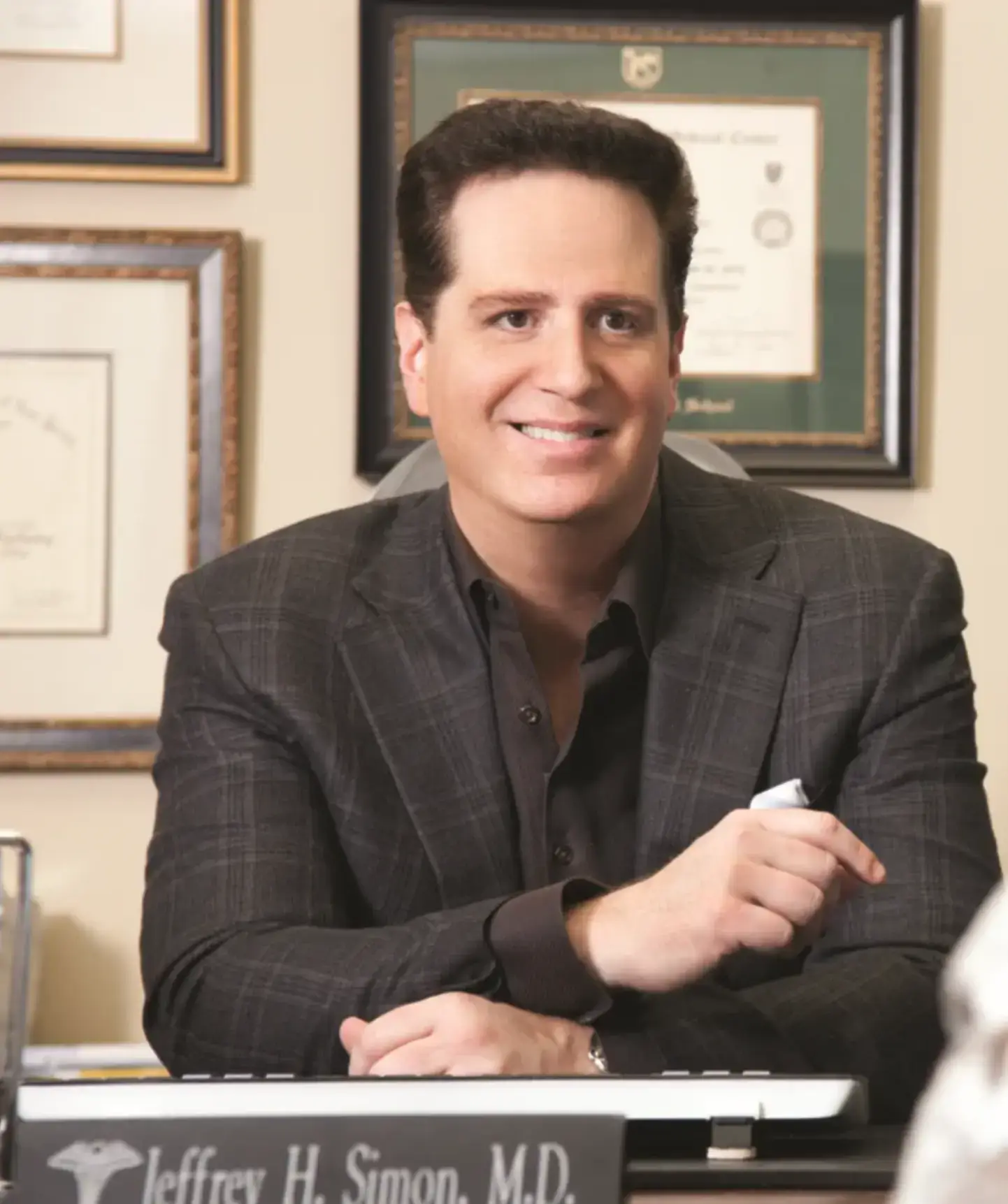 Medically reviewed by Dr. Jeffrey Simon, MD, Chief Medical Officer
Marijuana Addiction: Quick Answers
Can you actually get addicted to weed?
Yes. Cannabis use disorder is a recognized diagnosis. Roughly 3 in 10 people who use marijuana develop some degree of it, and the risk rises with daily use and high-THC products.
Is marijuana withdrawal real?
Yes. Irritability, anxiety, insomnia, vivid dreams, appetite loss, sweating, and cravings typically peak in the first week and ease over 2–4 weeks.
How much THC is in today's cannabis?
Flower often tests at 18–30% THC and concentrates, dabs, and vape carts can exceed 80% — far above the 3–5% common decades ago. Potency is the biggest driver of dependence today.
It is legal in NJ — why treat it?
Legal status does not change how it affects the brain. If use is interfering with work, school, sleep, motivation, or relationships, it is worth treating.
Do I need detox for marijuana?
Usually not. Most people start PHP or IOP directly. If alcohol or opioids are also involved we arrange detox coordination.
What about anxiety or depression underneath?
Very common. Our dual-diagnosis evaluation treats both together rather than one at a time.
If you are struggling with marijuana and feel like you should be able to just stop — you are not alone, and what you are experiencing is real.
Call Cherry Hill Recovery Center — 856-200-3127
Free. Confidential. No judgment.
Is Marijuana Addiction Real?
Yes. Cannabis use disorder is a clinically recognized diagnosis in the DSM-5 — the official diagnostic manual used by psychiatrists and psychologists in the United States. Approximately 9% of people who use marijuana will develop dependence, with that number rising to approximately 17% for those who begin using in adolescence and up to 50% for those who use daily. The widespread social acceptance of marijuana — particularly following legalization in New Jersey — has made it significantly harder for people who are genuinely struggling to seek help, and has increased the social pressure to minimize a problem that is causing real harm in their lives.
Why Today's Marijuana Is Not the Same
The marijuana available in New Jersey and across the country today is dramatically more potent than the cannabis of previous generations. THC concentrations in flower have risen from an average of 4% in the 1990s to over 12% today — and concentrates, wax, dabs, and vape cartridges commonly reach 60 to 90% THC. This is clinically significant because higher potency means faster development of tolerance and dependence, more pronounced withdrawal symptoms, and greater risk of cannabis-induced psychiatric symptoms including anxiety, paranoia, and in susceptible individuals, psychosis.
How Cannabis Affects the Brain
THC — the primary psychoactive compound in cannabis — acts on the brain's endocannabinoid system, which plays a central role in mood regulation, memory, appetite, and sleep. With regular use, the brain downregulates its endocannabinoid receptors and reduces natural endocannabinoid production, creating a state of dependence in which the person cannot feel emotionally regulated, sleep normally, or manage anxiety without cannabis. This is not a choice or a weakness — it is a measurable neurological adaptation.
Signs of Cannabis Use Disorder
Cannabis use disorder is often difficult to recognize because it develops gradually and because the social environment rarely treats marijuana use as a problem. Signs include using marijuana more than intended or throughout the day, feeling unable to relax, sleep, eat, or manage anxiety without it, continuing to use despite knowing it is affecting memory, motivation, or relationships, giving up activities or social connections because of marijuana use, spending significant time obtaining or using cannabis, and repeated unsuccessful attempts to cut back or stop.
Marijuana Withdrawal Timeline
Cannabis withdrawal is real and it is one of the main reasons people relapse without clinical support. Here is what most patients experience after daily use stops:
- Days 1–2: Irritability, anxiety, restlessness, trouble falling asleep, appetite drops.
- Days 3–7: Peak symptoms — vivid or disturbing dreams, night sweats, headaches, strong cravings, mood swings.
- Weeks 2–4: Sleep and appetite start normalizing. Low mood and cravings come in waves.
- Month 2 and beyond: Most people report clearer thinking, better short-term memory, and returning motivation. Occasional cravings can persist and are normal.
Heavy or high-potency users tend to have longer and more intense symptoms. Cannabis withdrawal is not usually medically dangerous, so most patients begin PHP or IOP right away. If alcohol, opioids, or benzodiazepines are also involved, we assess for detox coordination first.
How Cannabis Use Disorder Is Diagnosed
Clinicians look at 11 criteria over a 12-month period — things like cravings, tolerance, withdrawal, using more than intended, failed attempts to cut back, and use that interferes with work, school, or relationships. Two or three criteria indicate a mild disorder, four or five moderate, and six or more severe. You do not need a severe diagnosis to benefit from treatment. Our free drug and alcohol evaluation gives you a clear, honest picture in a single appointment.
Why Marijuana Addiction Often Goes Untreated
Cannabis use disorder is one of the most undertreated substance use disorders precisely because it is the most socially dismissed. If you have tried to talk about your marijuana use with someone and been told it is not a real problem — that is not an accurate clinical assessment. It is a reflection of how poorly understood cannabis use disorder is in the general public.
"It Is Just Weed"
The social minimization of marijuana addiction is one of the most significant barriers to treatment. People who are genuinely struggling are told by friends, family, and even some healthcare providers that marijuana is not addictive. The clinical evidence says otherwise — and the distress you are experiencing is real regardless of what anyone else thinks about marijuana.
Shame About Seeking Help
Many people feel ashamed to seek professional help for marijuana addiction because they feel it is not serious enough to warrant treatment. If marijuana is causing problems in your life and you cannot stop on your own — that is exactly what clinical treatment is for. The severity of the substance does not determine whether you deserve help. The impact on your life does.
Legalization Confusion
New Jersey's legalization of recreational marijuana has created genuine confusion about whether marijuana can be addictive at all. Legal does not mean risk-free. Alcohol is legal and causes significant addiction. The legal status of a substance has no bearing on its capacity to produce dependence in susceptible individuals.
You Deserve Help — Regardless of What Anyone Has Told You
Cherry Hill Recovery Center treats cannabis use disorder with the same clinical rigor and compassion we bring to every other form of addiction. There is no minimum threshold of suffering required to seek help. If marijuana is affecting your life and you cannot stop on your own — call us. That is enough.
Call 856-200-3127 →Marijuana Addiction Treatment Programs at Cherry Hill Recovery Center
Evidence-based PHP and IOP programs that address the psychological, behavioral, and psychiatric dimensions of cannabis use disorder — most patients can begin treatment directly without requiring detox first.
Partial Hospitalization Program (PHP)
PHP provides five to six days per week of intensive clinical care — individual therapy, group counseling, psychiatric evaluation, and skill-building. For patients with daily heavy marijuana use or significant co-occurring psychiatric conditions, PHP's structured daily programming provides the containment and clinical intensity that early cannabis recovery often requires.
Learn About PHP →Intensive Outpatient Program (IOP)
IOP delivers structured addiction treatment three to four days per week — allowing patients to maintain work, family, and daily responsibilities. For many patients with cannabis use disorder, IOP is the ideal level of care — providing meaningful clinical support and accountability while fitting around a functioning daily life. Virtual IOP available across New Jersey.
Learn About IOP →Dual-Diagnosis Psychiatric Care
Anxiety, depression, ADHD, and trauma are particularly common alongside cannabis use disorder — and are often the primary drivers of daily use. Our clinical team evaluates and treats co-occurring conditions alongside addiction from the first day of programming.
Learn About Psychiatric Care →Do I Need Detox First?
Most patients with cannabis use disorder can begin PHP or IOP directly without requiring medical detox. Marijuana withdrawal is uncomfortable but not medically dangerous for most people. If you use marijuana alongside other substances such as alcohol or opioids, our clinical team assesses whether detox referral and coordination is needed before treatment begins.
What Does Marijuana Withdrawal Feel Like?
One of the most common misconceptions about marijuana is that it produces no withdrawal. Cannabis withdrawal syndrome is a clinically recognized condition that affects up to 50% of regular users who attempt to quit — and while it is not medically dangerous in the way alcohol or benzo withdrawal is, it is real, uncomfortable, and one of the most common reasons people relapse in early cannabis recovery.
Early Withdrawal
Irritability, anxiety, restlessness, and insomnia typically begin within the first 24 to 72 hours of stopping. Many people describe an inability to relax or feel comfortable — a feeling that was previously managed by using. This phase is the highest immediate relapse risk. Structured PHP or IOP programming provides the support and containment to navigate it.
Peak Withdrawal
Sleep disturbance, vivid dreams, mood dysregulation, decreased appetite, headaches, and intense cannabis cravings peak during this window. The combination of insomnia and emotional dysregulation is often the most clinically challenging aspect — particularly for patients with co-occurring anxiety or depression. Daily clinical support through PHP is particularly valuable at this stage.
Extended Recovery
For heavy, long-term users — particularly those using high-potency concentrates — mood disturbance, sleep difficulty, and cravings can persist for weeks to months. This extended withdrawal is one of the strongest predictors of relapse without ongoing clinical support through IOP or continuing care.
High-Potency Products Produce More Intense Withdrawal
Patients who have been using high-THC concentrates, dabs, or vape cartridges regularly often experience significantly more intense withdrawal symptoms than those using lower-potency flower. Our clinical team takes the type and frequency of cannabis use into account when developing your treatment plan.
Marijuana Addiction and Co-Occurring Mental Health
The relationship between marijuana and mental health is bidirectional and complex. Many people begin using cannabis regularly as a form of self-medication — to manage anxiety, quiet racing thoughts, manage the symptoms of PTSD, or simply to feel emotionally regulated. Over time, cannabis use can worsen the very conditions it was being used to manage — creating a cycle of use and worsening mental health that becomes increasingly difficult to break.
Anxiety is particularly significant in cannabis use disorder. While low doses of cannabis can temporarily reduce anxiety in some people, regular use progressively disrupts the brain's natural anxiety regulation systems — often leaving chronic users with significantly higher baseline anxiety than before they began using, which then drives further use. Breaking this cycle requires treating both the cannabis addiction and the anxiety disorder together.
Cannabis and psychosis is a clinically significant relationship that deserves honest discussion. High-potency THC — particularly in concentrate form — is associated with increased risk of cannabis-induced psychotic episodes in genetically susceptible individuals. For patients with a personal or family history of psychosis, schizophrenia, or bipolar disorder, our clinical team treats this as a priority component of the psychiatric evaluation.
Anxiety Disorders
The most common co-occurring condition with cannabis use disorder. Regular cannabis use can both relieve and worsen anxiety — our clinical team addresses both.
Depression
Cannabis-induced anhedonia and motivational deficits during withdrawal closely resemble depression. Our clinical team evaluates and treats both.
ADHD
Many people with undiagnosed ADHD self-medicate with cannabis for focus or to quiet restlessness. Proper evaluation and management of ADHD significantly improves cannabis recovery outcomes.
PTSD & Trauma
Cannabis is frequently used to manage PTSD symptoms. Our trauma-informed clinical approach addresses PTSD as a core component of cannabis addiction treatment.
Evidence-Based Therapies for Cannabis Use Disorder
Because cannabis use disorder is primarily psychological, evidence-based behavioral therapies are the cornerstone of effective treatment. Our licensed clinical staff delivers these therapies within our PHP and IOP programs.
Cognitive Behavioral Therapy (CBT)
CBT has the strongest evidence base for cannabis use disorder. It helps patients identify the triggers, thought patterns, and coping deficits that drive cannabis use — and build concrete behavioral strategies to respond to cravings and high-risk situations differently.
Motivational Enhancement Therapy (MET)
MET is particularly effective for cannabis use disorder because ambivalence about stopping is very common — especially given the social acceptance of marijuana. MET helps patients clarify their own values and motivations for change rather than responding to external pressure.
Mindfulness-Based Relapse Prevention
Mindfulness-based approaches help patients develop awareness of craving states without automatically acting on them — one of the most clinically useful skills for cannabis recovery given the pervasive nature of cues in daily life.
Dual-Diagnosis Psychiatric Support
When anxiety, depression, ADHD, or PTSD are present alongside cannabis use disorder, our clinical team integrates psychiatric evaluation and treatment — including medication management when clinically appropriate and agreed upon — into the PHP or IOP program.
Helping a Loved One With Marijuana Addiction
Cannabis use disorder is one of the hardest addictions for families to take seriously — and one of the hardest for the person struggling to seek help for — precisely because the social environment rarely validates the struggle. If you are watching someone you love lose motivation, withdraw from relationships, underperform at work or school, and use marijuana every single day to function — that is real, regardless of what the substance is.
For families, the most helpful approach is to focus on the observed impact rather than the substance itself. Instead of debating whether marijuana is addictive, focus on what you have actually seen: the changes in personality, the withdrawal from activities they used to love, the inability to be present without using, the failed attempts to cut back. These are the things that open doors.
Cherry Hill Recovery Center treats cannabis use disorder in adults and helps families understand how to support their loved one without enabling or dismissing what they are going through. Contact our admissions team to discuss your specific situation — we will guide you on the most helpful next steps.
Our Medical and Clinical Team
Cannabis use disorder treatment at Cherry Hill Recovery Center is delivered by a full team of licensed therapists, addiction counselors, and medical professionals — overseen by our Chief Medical Officer, board-certified psychiatrist Dr. Jeffrey Simon. Every patient receives a comprehensive psychiatric evaluation, individualized treatment planning, and ongoing clinical oversight throughout their PHP or IOP program.
Dr. Jeffrey Simon, MD — Chief Medical Officer
Dr. Simon is a board-certified psychiatrist specializing in addiction medicine and co-occurring mental health disorders. He oversees clinical programming and the medical team at Cherry Hill Recovery Center, ensuring every patient receives evidence-based care. His approach to cannabis use disorder takes seriously the co-occurring psychiatric conditions — particularly anxiety, ADHD, and trauma — that most commonly drive heavy marijuana use and must be treated alongside the addiction for recovery to hold.
Meet Our Full TeamDoes Insurance Cover Marijuana Addiction Treatment in New Jersey?
Yes. Cannabis use disorder is a clinically recognized diagnosis covered by most major insurance plans under substance use disorder benefits. Treatment through PHP and IOP at Cherry Hill Recovery Center is covered by most major insurance plans. Our admissions team verifies your insurance coverage before treatment begins at no cost to you — so you have complete clarity on your benefits before anything starts.
Marijuana Addiction Treatment Serving Cherry Hill & All of South Jersey
Cherry Hill Recovery Center serves patients with cannabis use disorder from throughout Camden County, Burlington County, Gloucester County, Atlantic County, and the greater South Jersey and Philadelphia region. Virtual IOP extends access to patients anywhere in New Jersey. We are located at 1930 Marlton Pike East in Cherry Hill, NJ — easily accessible from Routes 70 and 38.
Check If Your Insurance Covers This Program
Most HMO, PPO, and EPO plans cover PHP and IOP. Find out in 60 seconds — free and completely confidential.
Verify Insurance NowCannabis Use Disorder Treatment — What It Actually Looks Like
Cannabis use disorder is a formal diagnosis in the DSM-5. It is not a matter of willpower. Treatment for it is structured, evidence-based, and covered by most insurance plans.
At Cherry Hill Recovery Center, cannabis use disorder treatment is delivered through PHP and IOP. Here is what that includes:
- A full clinical assessment. We look at how much you use, how long you have used, and what else is going on.
- Cognitive behavioral therapy (CBT). The most studied approach for cannabis dependence.
- Motivational enhancement therapy. Helpful when part of you is not sure you want to stop.
- Contingency management. Structured reinforcement for staying substance-free.
- Psychiatric care. For the anxiety, depression, ADHD, or trauma often underneath heavy use.
- Group therapy. With people who understand why quitting weed is harder than others assume.
Most patients attend three to five days a week. Evening and virtual IOP options let you keep working or in school while you get treatment.
Weed Rehab Near Me in Cherry Hill & South Jersey
If you are searching for weed rehab near you, you probably do not need a residential facility. Most people with cannabis use disorder do well in outpatient care. That means you sleep at home and keep your job.
Our office is at 1930 Marlton Pike East in Cherry Hill, NJ. We are close to Route 70, Route 38, and I-295. We treat patients from Camden, Pennsauken, Voorhees, Marlton, Mount Laurel, Moorestown, Haddonfield, Sewell, Turnersville, Glassboro, Medford, and Cinnaminson.
Not local? Our virtual program serves anyone in New Jersey. Call 856-200-3127 for a free assessment. There is no cost and no obligation.
Call 856-200-3127Frequently Asked Questions About Marijuana Addiction Treatment in NJ
You Do Not Have to Justify Your Struggle to Get Help.
If marijuana is affecting your life and you cannot stop on your own — that is enough. PHP, IOP, and dual-diagnosis care from our clinical team. Free, confidential, most insurance accepted. No judgment.