
What Is Recovery Housing and Is It Right for You?
Recovery housing — sometimes called sober living — is a structured, substance-free living environment designed to support people in early recovery. It is not treatment. It is the environment that makes treatment more effective. For patients attending Cherry Hill Recovery Center's PHP or IOP programs, recovery housing provides the stable foundation that clinical programming builds on — a place to return to each day where sobriety is the norm, accountability is built in, and the people around you are working toward the same goal.
Recovery housing is completely optional. Many patients do well attending PHP or IOP from a stable home environment with strong support. For those whose home situation is unstable, triggering, or simply not conducive to early recovery — housing support can make the difference between treatment that holds and treatment that does not. If you are unsure whether housing support is right for your situation, call us and we will talk through it honestly.
What Recovery Housing Provides
- A clean, substance-free living environment with structured house rules
- Peer community of people in active recovery — mutual support and shared accountability
- Structure and routine that reinforces the clinical work of PHP and IOP
- A safe place to return to between treatment sessions — away from using environments and triggers
- Support that continues beyond the treatment program itself — not just during it
- Random drug testing and house manager oversight for accountability
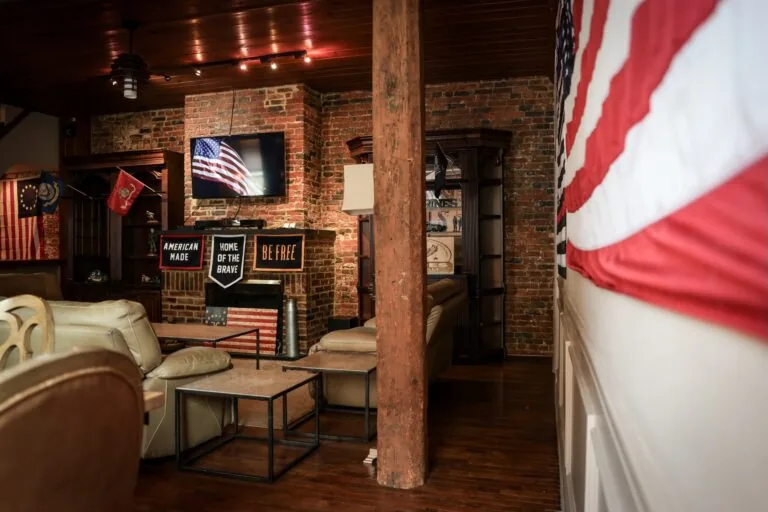
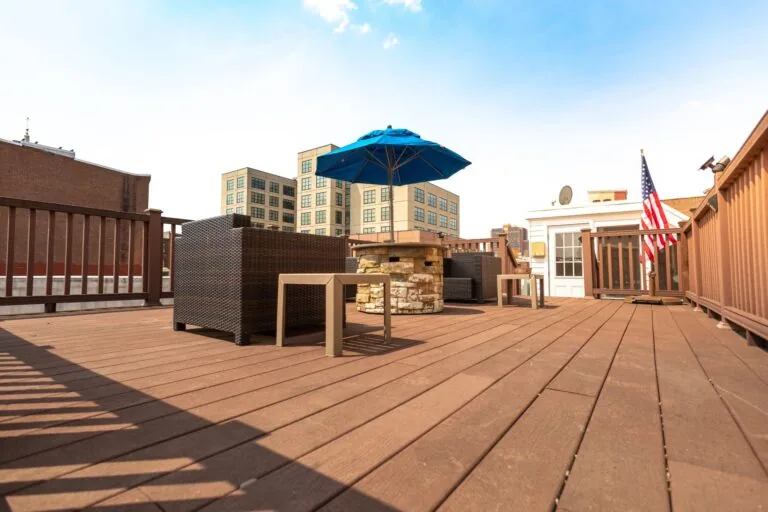
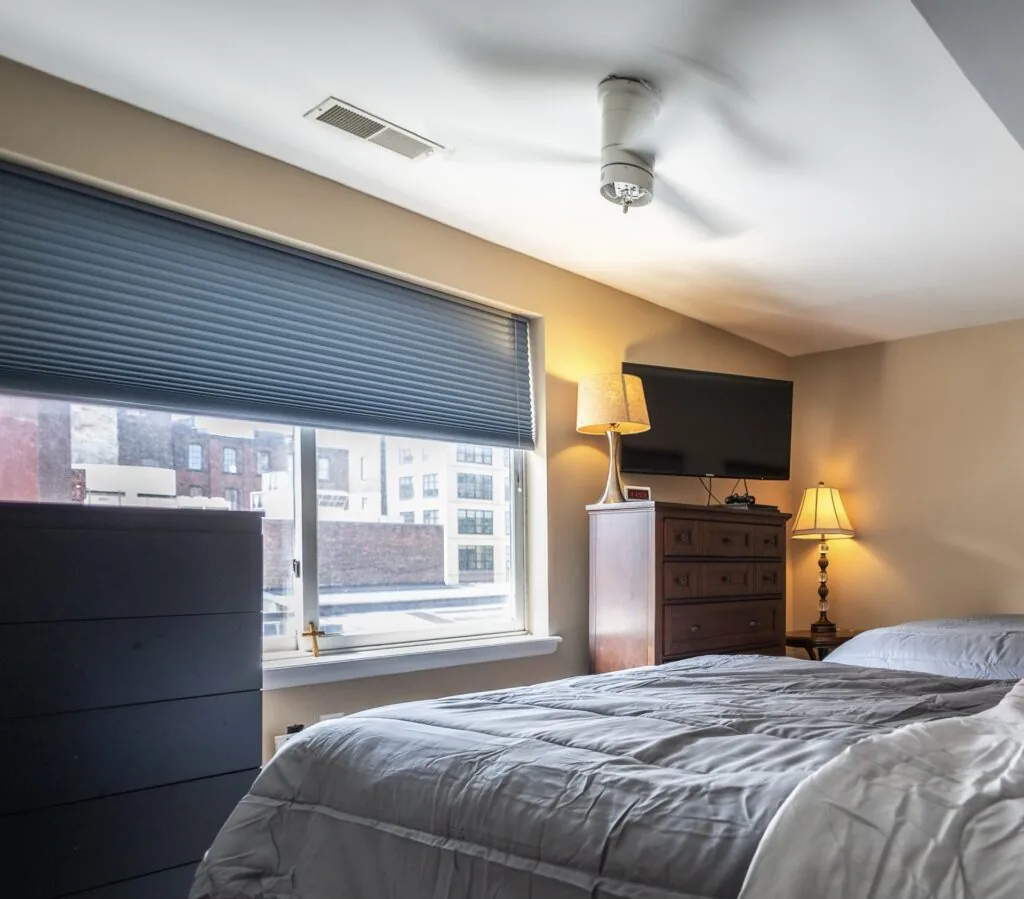
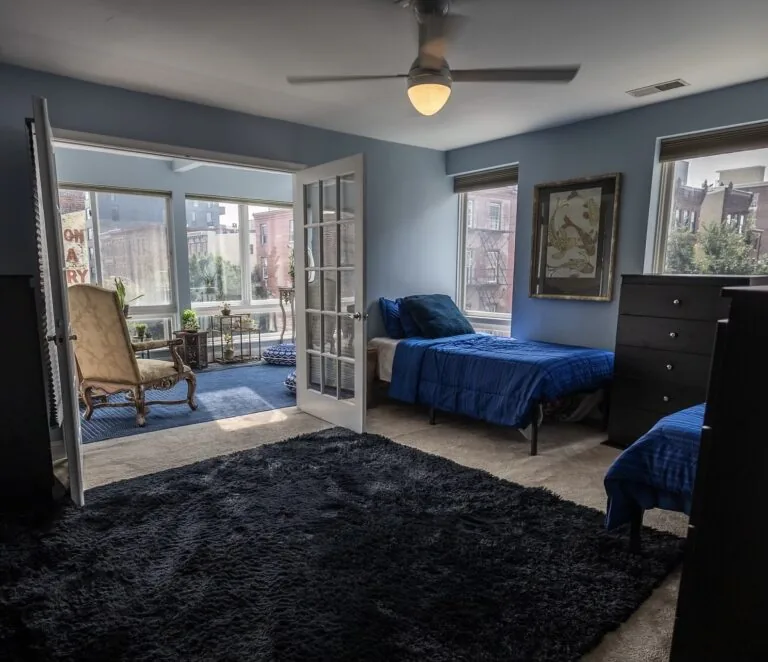
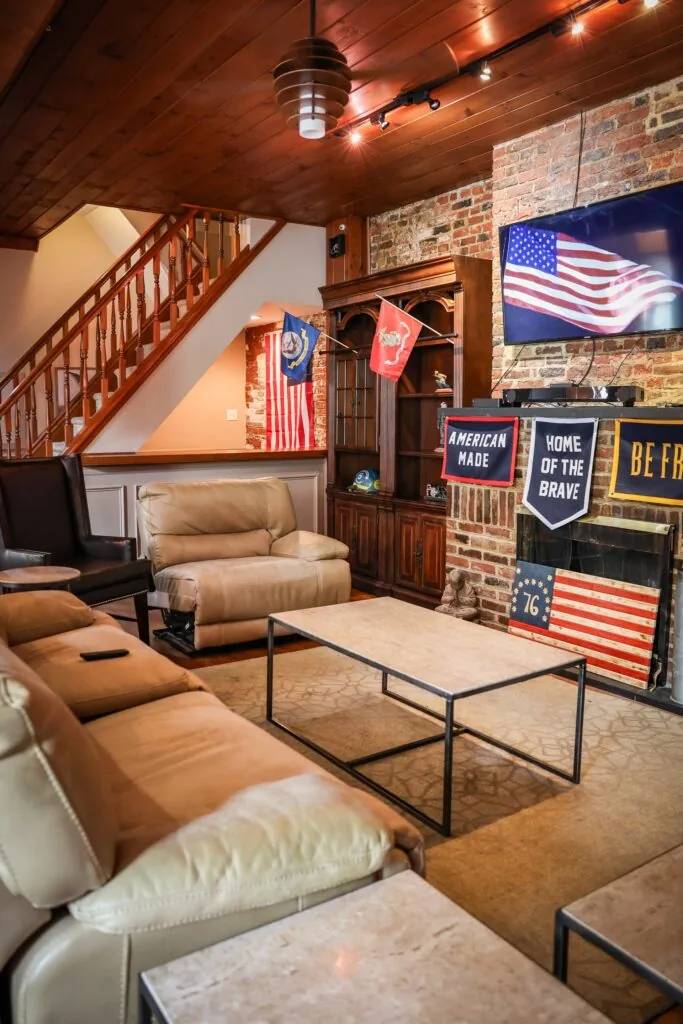
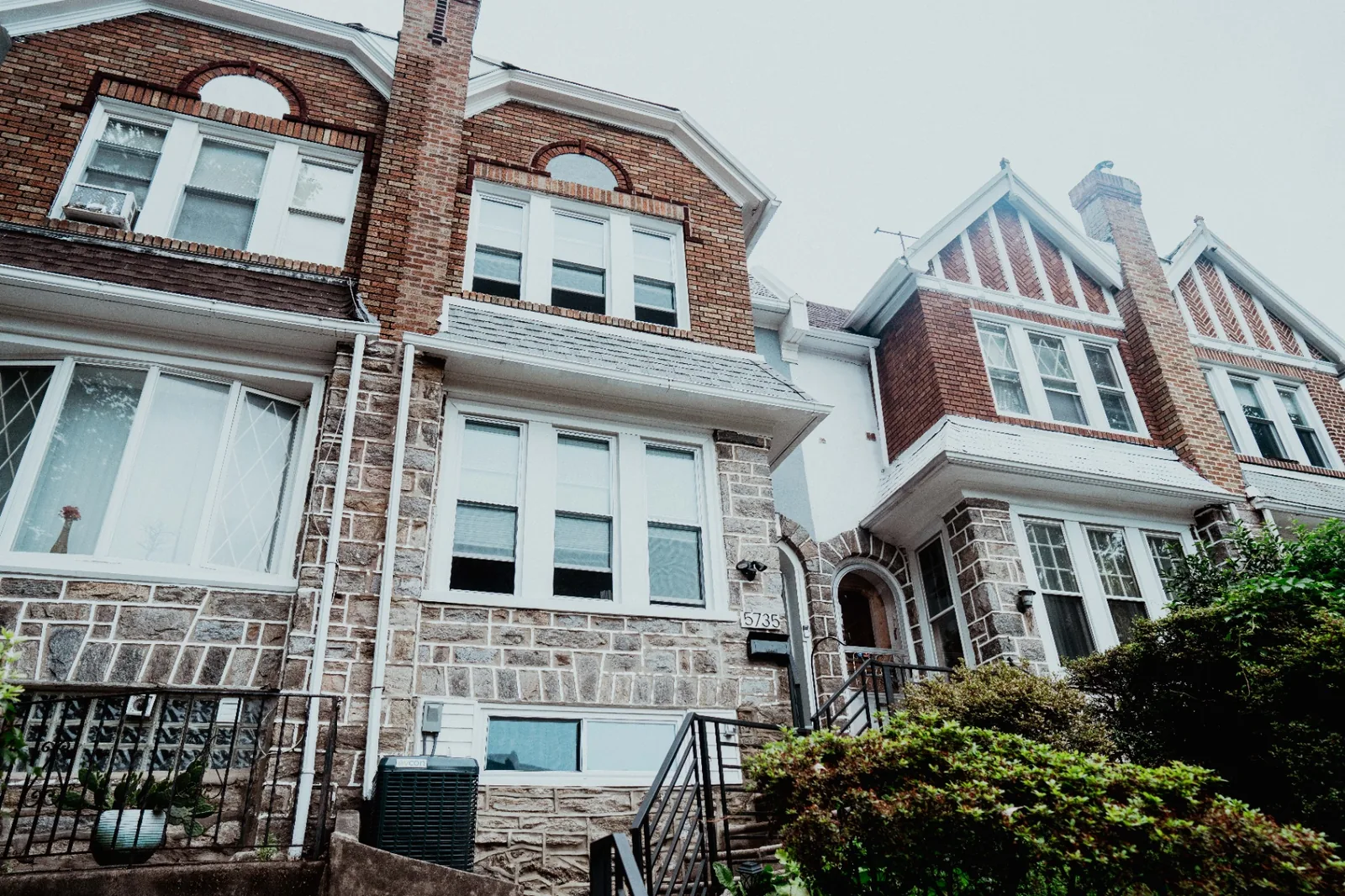
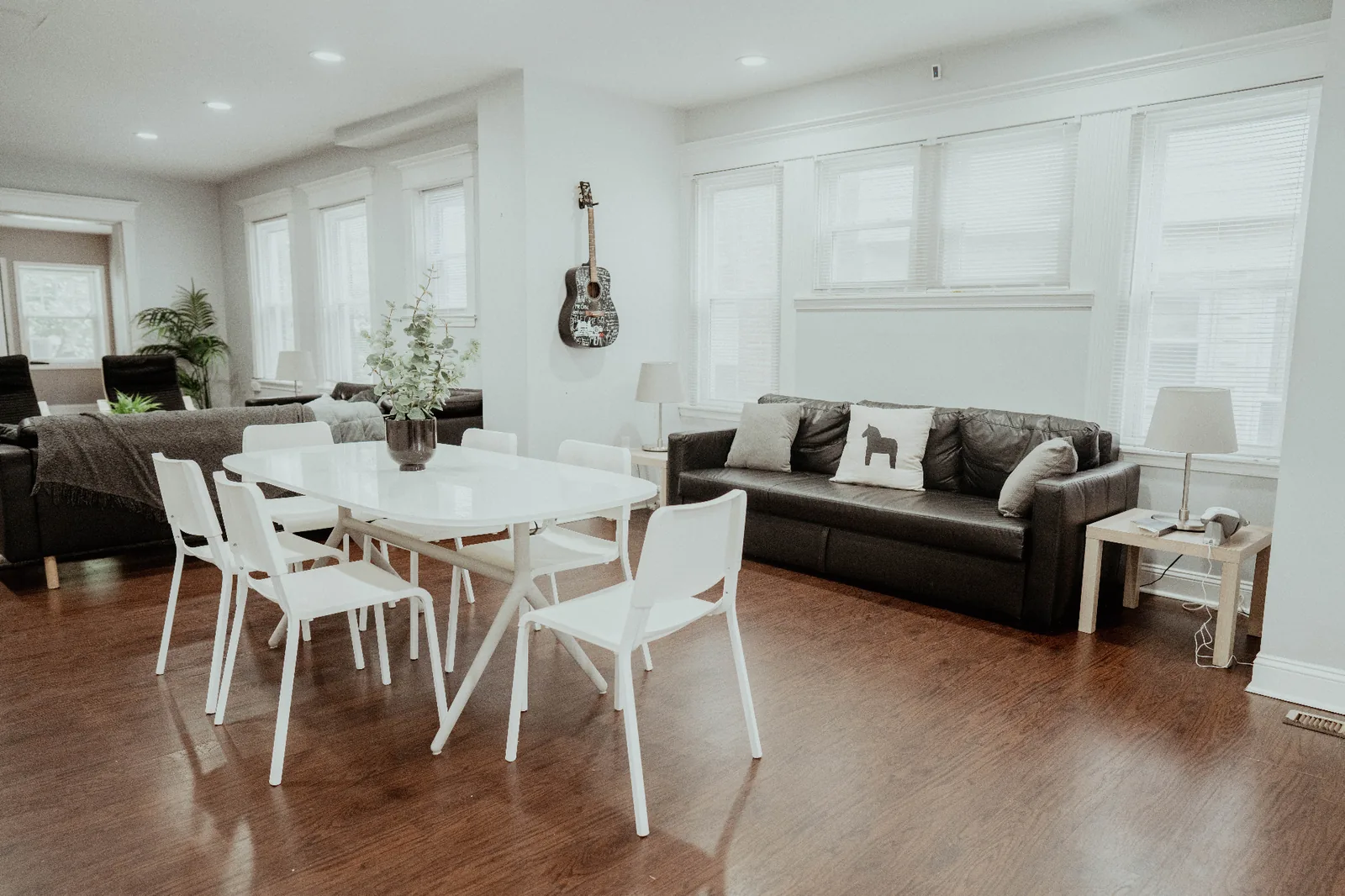
Recovery housing provides a safe, structured environment alongside PHP and IOP treatment.
Who Benefits Most From Recovery Housing?
Recovery housing is not for everyone — and that is okay. Here is how to think about whether it might be right for your situation.
- Your current home environment involves active substance use by others around you
- You are transitioning from residential or inpatient treatment and not ready to return home directly
- Your living situation is unstable — housing insecurity, relationship conflict, or significant daily stress
- You have attempted outpatient treatment before and relapsed due to your home environment
- You are relocating for treatment and need a local place to stay
- You want additional accountability and peer support beyond what your home provides
- —Your home environment is stable and substance-free
- —You have strong family or social support at home
- —Your living situation actively supports recovery
- —You have completed treatment before and your home environment was not a contributing factor in relapse
Not sure which applies to you? Call us — we will talk through your situation honestly and help you figure out whether housing support makes sense. 856-200-3127
How Recovery Housing Works Alongside PHP and IOP
Recovery housing and clinical treatment work together — not as the same thing. During a PHP or IOP program, patients leave the recovery house each morning or afternoon to attend treatment at Cherry Hill Recovery Center, then return to the house in the evening. The treatment program provides the clinical work. The housing provides the stable environment that supports that work between sessions. The two reinforce each other — and research consistently shows that patients in stable recovery housing during outpatient treatment have significantly better outcomes than those returning to unstable environments.
Assessment
During your intake assessment our admissions team discusses your living situation and whether housing support would strengthen your treatment plan.
Connection
If housing support makes sense for your situation, we connect you with available options in the area that align with your treatment program schedule.
Treatment + Housing Together
You attend PHP or IOP at Cherry Hill Recovery Center daily and return to the recovery house each evening — clinical care and stable living working in parallel.
Support Beyond Treatment
Recovery housing does not end when your treatment program does. Many patients continue in recovery housing after completing PHP or IOP — maintaining the structure and accountability of sober living while rebuilding daily life.
See What Recovery Housing Looks Like
A look at the kind of structured, supportive environment that recovery housing provides.
Video courtesy of Pennsylvania Center for Recovery — a sister program.
What to Look for in Recovery Housing
Not all recovery housing is the same. Quality varies considerably and choosing the right environment matters as much as choosing the right treatment program. When considering recovery housing alongside your PHP or IOP program, these are the qualities that matter most.
- Clean, substance-free environment with clearly enforced house rules
- Random drug testing with real consequences for violations
- House manager or oversight with genuine accountability — not just a landlord
- Residents actively in recovery and attending treatment or meetings
- Located away from using environments and high-risk areas
- Structured expectations — curfews, employment or treatment attendance, chores, meeting requirements
- Safe neighborhood with practical access to your treatment program
- New Jersey Association of Recovery Residences (NARR) certification preferred where available
Recovery Housing vs. Sober Living vs. Halfway House vs. Residential Rehab
These four terms get used as if they mean the same thing. They do not. Here is the plain difference, so you know what you are actually choosing.
| Option | Who lives there | Clinical care on site? | Voluntary? | Typical stay |
|---|---|---|---|---|
| Recovery housing | People in outpatient treatment (PHP or IOP) | No — treatment happens off site | Yes | 30 days to a year |
| Sober living | People maintaining recovery, often post-treatment | No | Yes | 3 months to a year+ |
| Halfway house | Often court- or corrections-referred | Usually limited | Frequently mandated | Set by the referring program |
| Residential rehab | Patients needing 24-hour clinical care | Yes — staffed around the clock | Yes | 2 to 4 weeks |
Most of our patients pair recovery housing with PHP or IOP. If you need medical stabilization first, we handle detox referral coordination before you move in. Not sure where you belong? Take the level of care quiz.
Recovery Housing Near Cherry Hill and South Jersey
Housing only works if you can actually get to treatment from it. Our office sits at 1930 Marlton Pike East in Cherry Hill, minutes from Route 70, Route 73, and I-295, so we prioritize housing options within a short, reliable drive.
Camden County
Cherry Hill, Voorhees, Haddonfield, Pennsauken, and Camden — the shortest commute to daily PHP programming.
Burlington County
Marlton, Mount Laurel, Moorestown, and Medford, generally 15 to 25 minutes out along Route 73.
Gloucester County
Sewell, Turnersville, and Glassboro. When the drive is long, patients often pair housing with Virtual IOP.
Relocating for treatment
Patients come from elsewhere in New Jersey and the greater Philadelphia area. If you are moving here to get well, we help line up housing and a start date together.
See every town we cover on our service areas page, or read how IOP with housing works day to day.
Frequently Asked Questions About Recovery Housing
Questions About Recovery Housing? We Will Talk Through It With You.
Recovery housing is an optional resource — not a requirement. Call our admissions team and we will help you figure out whether it makes sense for your situation. Free, confidential, no commitment.