
CONDITIONS WE TREAT
Alcohol Rehab in Cherry Hill, NJ
Safe alcohol addiction treatment — never stop drinking abruptly without medical guidance first.
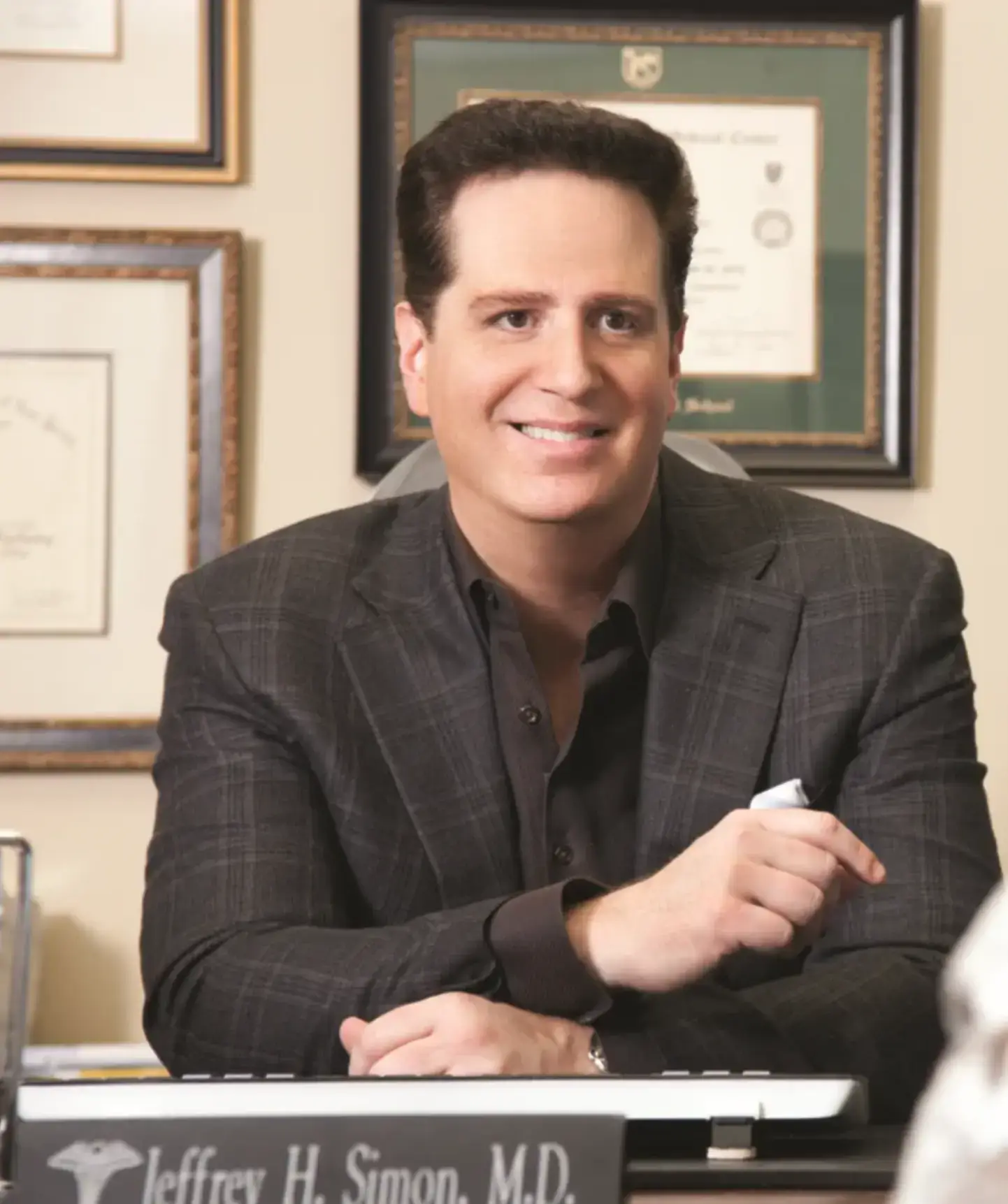 Medically reviewed by Dr. Jeffrey Simon, MD, Chief Medical Officer
Alcohol withdrawal can be medically life-threatening. If your loved one is experiencing severe withdrawal symptoms — call 911 immediately.
For treatment guidance and detox referral — Cherry Hill Recovery Center: 856-200-3127
Free. Confidential. No commitment.
Alcohol Rehab in Cherry Hill, NJ — Detox Coordination Through IOP
Alcohol use disorder is one of the most prevalent — and most dangerous — forms of addiction in the United States. In New Jersey, alcohol is responsible for more addiction-related hospitalizations and deaths than any other substance. Despite how common it is, alcohol addiction remains deeply stigmatized and widely undertreated. Many people with alcohol use disorder do not recognize the severity of their dependence until the physical and psychological consequences become impossible to ignore. If you are looking for alcohol rehab in Cherry Hill, our team at Cherry Hill Recovery Center treats alcohol addiction with the clinical rigor, compassion, and evidence-based care it demands.
Why Alcohol Addiction Requires Specialized Treatment
Alcohol acts on multiple systems in the brain simultaneously — the GABA system responsible for calming neural activity, the dopamine reward system that drives craving and compulsive use, and the glutamate system involved in memory and cognition. Long-term heavy alcohol use changes brain chemistry profoundly, making it physically impossible for many people to feel normal without alcohol. This is not a choice or a character flaw — it is a measurable neurological adaptation that requires medical treatment.
The Medical Danger of Alcohol Withdrawal
Alcohol is one of only a few substances where withdrawal can be medically life-threatening. Unlike opioid addiction withdrawal — which is intensely uncomfortable but rarely fatal — alcohol withdrawal can cause life-threatening seizures, delirium tremens (DTs), cardiovascular complications, and death if not properly managed. This makes medically supervised detox not just recommended but essential for anyone with moderate to severe alcohol dependence. Cherry Hill Recovery Center refers and coordinates placement with trusted medically supervised detox referral and coordination providers for patients who need it — then transitions them directly into our PHP or IOP program.
Signs of Alcohol Use Disorder
Alcohol use disorder exists on a spectrum from mild to severe. Common signs include drinking more than intended or for longer than planned, persistent desire to cut down without success, spending significant time obtaining, using, or recovering from alcohol, strong cravings for alcohol, continued use despite negative consequences at work, home, or in relationships, developing tolerance so that more alcohol is needed to achieve the same effect, and experiencing physical withdrawal symptoms when not drinking — including shaking, sweating, nausea, anxiety, and in severe cases seizures.
Why Alcohol Withdrawal Requires Medical Supervision
Alcohol withdrawal is one of the most medically serious conditions in all of addiction medicine. Understanding the risk is the first step to getting the right help.
6–24 Hours
Early symptoms include anxiety, tremors, sweating, nausea, vomiting, headache, and elevated heart rate. Even mild withdrawal can escalate rapidly without medical supervision. This is when our team begins the detox referral process — the earlier we act the safer the process.
24–48 Hours
Symptoms intensify — increasing tremors, confusion, elevated blood pressure, rapid heart rate, and heightened risk of seizures. Seizures can occur even in patients who have experienced only moderate dependence. Medical supervision at a proper detox facility is critical at this stage.
48–72 Hours
Delirium tremens (DTs) can develop — characterized by severe confusion, hallucinations, fever, extreme agitation, and cardiovascular instability. DTs carry a mortality rate of up to 5% without treatment. This is a medical emergency. If your loved one is experiencing these symptoms, call 911 immediately.
Never Stop Drinking Abruptly Without Medical Support
If your loved one drinks heavily every day, encouraging them to simply stop without medical supervision could be life-threatening. Cherry Hill Recovery Center will assess their situation and refer them to the right medically supervised detox provider so withdrawal is managed safely. Call 856-200-3127 before they stop drinking.
Call Now — 856-200-3127 →Alcohol Addiction Treatment Programs at Cherry Hill Recovery Center
From detox referral through PHP, IOP, and dual-diagnosis care — we coordinate every step of your alcohol addiction treatment.
Alcohol Detox Referral & Coordination
Alcohol detox must be medically supervised. We assess your specific situation and refer you to the detox provider best matched to your needs — staying involved throughout and transitioning you directly into our PHP or IOP program upon completion. We do not send you a phone number. We make the call.
Learn About Detox Referral →Partial Hospitalization Program (PHP)
PHP provides five to six days per week of intensive clinical care — individual therapy, group counseling, psychiatric evaluation, and medication management. For patients completing alcohol detox, PHP is often the ideal step-down providing the daily structure that early alcohol recovery demands.
Learn About PHP →Intensive Outpatient Program (IOP)
IOP delivers structured addiction treatment three to four days per week — allowing you to maintain work and family life while receiving meaningful clinical support. Available in person and virtually across New Jersey.
Learn About IOP →Dual-Diagnosis & Psychiatric Care
Depression, anxiety, and trauma are deeply intertwined with alcohol use disorder. Dr. Jeffrey Simon's dual-diagnosis approach treats addiction and co-occurring mental health conditions simultaneously — because addressing one without the other leaves recovery incomplete.
Learn About Psychiatric Care →Our Alcohol Detox Referral Process — How It Works
Cherry Hill Recovery Center does not operate an on-site detox facility. For alcohol addiction specifically — where withdrawal can be life-threatening — we believe that matching each patient to the right medically supervised detox environment is more important than fitting them into whatever bed happens to be available. We assess your complete clinical picture and refer you to the detox provider that is the safest and most appropriate match for your situation.
For alcohol detox referrals, we specifically evaluate the severity of dependence — including daily intake, duration of use, and prior withdrawal history — to determine the appropriate level of medical intensity required. Patients with a history of seizures or delirium tremens are referred to facilities with intensive medical monitoring capability. We communicate your complete clinical history to the receiving facility so their team is fully prepared before you arrive.
When detox is complete, we transition you directly into our PHP or IOP program. Your admission is already arranged. Your clinical information has already been shared. There is no gap in care and no starting over.
The Alcohol Detox Referral Process
Alcohol Addiction and Co-Occurring Mental Health Disorders
Alcohol and mental health are deeply interconnected. Many people develop alcohol use disorder as an attempt to self-medicate untreated depression, anxiety, PTSD, or trauma. Others develop depression or anxiety as a direct consequence of heavy alcohol use — as alcohol progressively depletes the brain's natural serotonin, dopamine, and GABA systems. In either case, treating only the alcohol addiction while leaving the mental health condition unaddressed creates an incomplete recovery with a high relapse risk.
At Cherry Hill Recovery Center, Dr. Jeffrey Simon's dual-diagnosis approach means that your psychiatric evaluation, medication management if appropriate, and therapeutic programming all address both conditions from day one. We do not refer you to a separate mental health provider and hope the two treatments coordinate. We integrate them under one clinical roof.
Our dual-diagnosis program addresses all of these alongside alcohol addiction treatment.
Learn About Psychiatric Care →Alcohol Withdrawal Timeline — What to Expect With Medical Support
Understanding what happens during alcohol withdrawal — and knowing that medical support is available through our detox referral partners — can make it easier to take the first step. Here is a general timeline with proper medical supervision in place.
- 6–12 Hours After Last Drink
Early Symptoms Begin
Anxiety, tremors, sweating, nausea, and elevated heart rate begin to emerge. With a referral to medically supervised detox already in place, many of these symptoms can be significantly reduced through medication protocols. This is the ideal time to begin the detox referral process.
- 12–48 Hours
Peak Risk for Seizures
This is the most medically dangerous window of alcohol withdrawal. Seizures can occur without warning even in patients who appear stable. 24-hour medical monitoring at a proper detox facility — which our team has referred and coordinated for you — is essential during this period.
- 48–72 Hours
Delirium Tremens Risk
Delirium tremens (DTs) can develop in this window — severe confusion, hallucinations, cardiovascular instability, and fever. DTs are a medical emergency with a meaningful mortality rate without treatment. Patients at our detox referral facilities receive continuous monitoring through this phase.
- Days 4–7
Acute Symptoms Subside
Physical symptoms begin to resolve for most patients. This is typically when our team begins coordinating the transition from detox into PHP or IOP at Cherry Hill Recovery Center.
- Weeks 2–4 and Beyond
Post-Acute Withdrawal
Mood instability, sleep disturbances, anxiety, and cravings can persist for weeks to months after acute withdrawal. Ongoing therapy and psychiatric support through our PHP or IOP program is critical during this phase.
Do Not Wait for Withdrawal to Become an Emergency
The safest time to begin the detox referral process is before severe withdrawal begins. Call Cherry Hill Recovery Center now — we will assess your situation and coordinate placement with the right provider today.
Call 856-200-3127 →Helping a Loved One With Alcohol Addiction
Alcohol use disorder is often harder for families to identify than other addictions because alcohol is legal, socially accepted, and widely available. The line between heavy social drinking and alcohol dependence can be gradual and easy to rationalize — for the person drinking and for the people who love them.
If you are concerned about a loved one's drinking, some of the most important signs to watch for include drinking earlier in the day or alone, needing alcohol to feel normal or manage anxiety, irritability or shaking when they go without a drink, increasing amounts needed to achieve the same effect, and continued drinking despite clearly negative consequences.
If your loved one drinks heavily every day, please do not encourage them to simply stop without speaking to a medical professional first. Alcohol withdrawal can be dangerous. Contact our admissions team at Cherry Hill Recovery Center — we will guide you through what needs to happen safely.
For Family Members
- Never encourage abrupt alcohol cessation without medical guidance
- Alcohol withdrawal can be life-threatening — understand the signs
- You cannot force recovery — but you can open the door
- Your own mental health matters too
Does Insurance Cover Alcohol Addiction Treatment in New Jersey?
Yes. Under the Mental Health Parity and Addiction Equity Act, most major insurance plans are required to cover alcohol use disorder treatment — including medically supervised detox, PHP, IOP, and psychiatric services. At Cherry Hill Recovery Center, our admissions team verifies your insurance coverage before treatment begins — including coverage at the specific detox referral facility if detox is needed — so you have complete clarity on your benefits before anything starts.
Alcohol Addiction Treatment Serving Cherry Hill & All of South Jersey
Cherry Hill Recovery Center serves patients with alcohol use disorder from throughout Camden County, Burlington County, Gloucester County, Atlantic County, and the greater South Jersey and Philadelphia region. Our detox referral network spans New Jersey, Pennsylvania, and surrounding states. Our PHP and IOP programs are located at 1930 Marlton Pike East in Cherry Hill, NJ — easily accessible from Route 70 and Route 38. Virtual IOP is also available statewide.
Getting to Our Cherry Hill Location
Cherry Hill Recovery Center is located at 1930 Marlton Pike East (Route 70) in Cherry Hill, Camden County, New Jersey — a short, familiar drive for most of South Jersey. Patients coming from Voorhees or Haddonfield are usually about 10 minutes away. From Marlton, Mount Laurel, Pennsauken, Moorestown, and Camden, plan on roughly 15 minutes. Center City Philadelphia is about 25 minutes over the bridge. There is free on-site parking directly at the building, so you are not circling for a space before group. Evening groups are scheduled so treatment fits around a normal work day — most people leave the office, drive over, attend group, and are home the same evening.
- Voorhees~10 min
- Haddonfield~10 min
- Marlton~15 min
- Mount Laurel~15 min
- Pennsauken~15 min
- Moorestown~15 min
- Camden~15 min
- Center City Philadelphia~25 min
Related programs
Check If Your Insurance Covers This Program
Most HMO, PPO, and EPO plans cover PHP and IOP. Find out in 60 seconds — free and completely confidential.
Verify Insurance NowFrequently Asked Questions About Alcohol Addiction Treatment in New Jersey
Alcohol Addiction Is Treatable. Recovery Starts With One Call.
From detox referral through PHP, IOP, and ongoing dual-diagnosis care — we coordinate every step. Free, confidential, most insurance accepted.