
CONDITIONS WE TREAT
Prescription Painkiller Addiction Treatment in New Jersey
Painkiller addiction often starts with a prescription — that does not make it less real or less treatable.
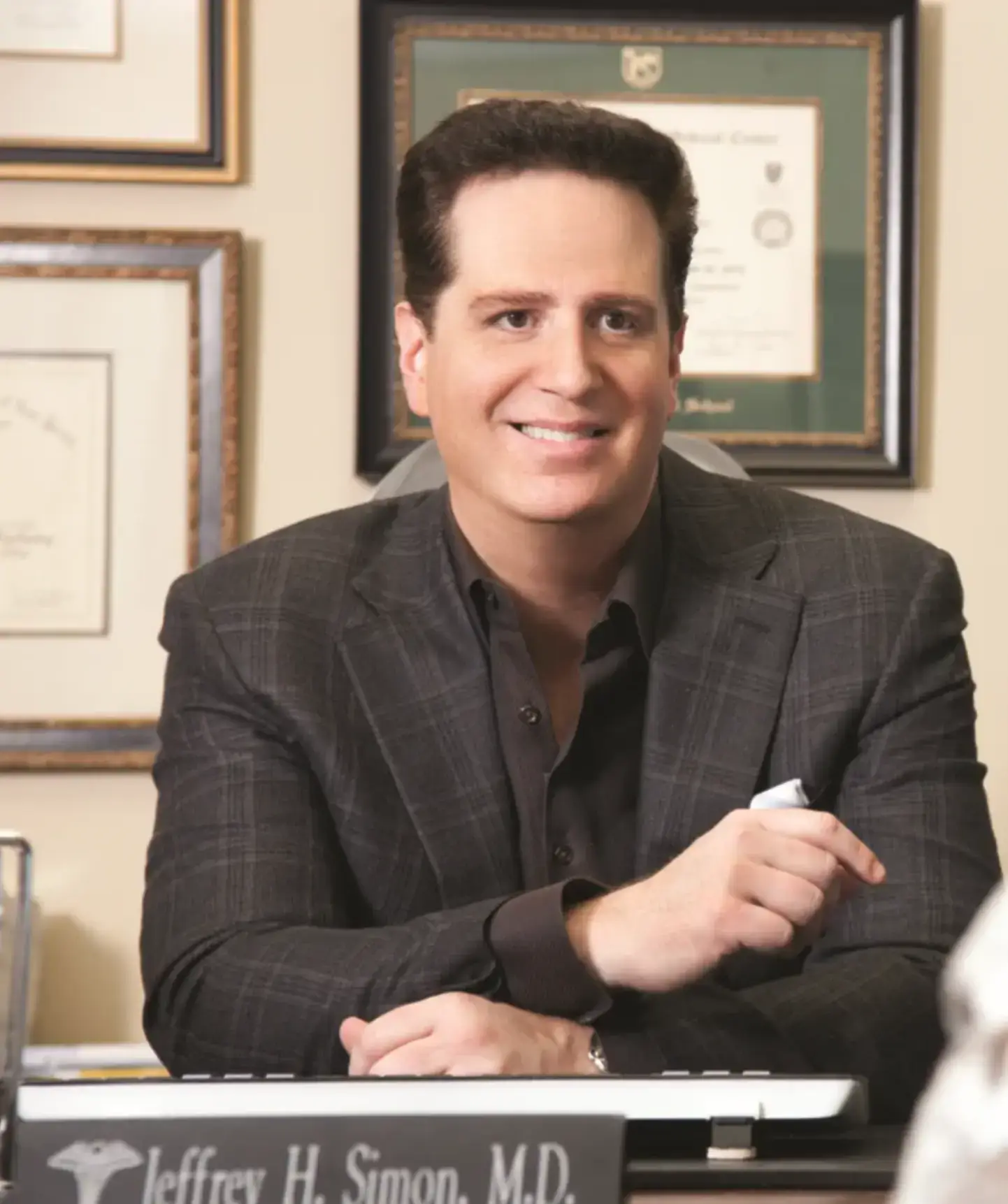 Medically reviewed by Dr. Jeffrey Simon, MD, Chief Medical Officer
Starting with a prescription does not mean you are weak or at fault. Opioid dependence can develop at therapeutic doses — and it is a medical condition that responds to medical treatment.
Call Cherry Hill Recovery Center — 856-200-3127
Free. Confidential. No judgment.
Prescription Painkiller Addiction in New Jersey
Prescription painkiller addiction — most commonly involving opioid medications such as oxycodone (OxyContin, Percocet), hydrocodone (Vicodin), morphine, codeine, tramadol, and fentanyl patches — is one of the most prevalent and most misunderstood forms of addiction in New Jersey. For many people, dependence developed while they were following their doctor's instructions exactly — treating legitimate pain after surgery, an injury, or a chronic condition. Somewhere along the way, the medication stopped managing pain and started managing something else entirely. At Cherry Hill Recovery Center, our medical and clinical team treats prescription painkiller addiction with the compassion, clinical rigor, and complete absence of judgment that this population deserves.
How Prescription Opioids Produce Dependence
Opioid medications work by binding to opioid receptors in the brain and body — reducing pain signals and producing feelings of relief, calm, and in higher doses, euphoria. With regular use, the brain adapts to the presence of opioids by reducing its own natural endorphin production and downregulating receptor sensitivity. The result is tolerance — needing more medication to achieve the same effect — and eventually physical dependence, where the body cannot function normally without opioids present. This process can occur within weeks of regular therapeutic use and has nothing to do with moral character or personal weakness.
The Transition From Prescription to Street Opioids
One of the most common and most dangerous patterns in prescription painkiller addiction is the transition to street opioids when prescription access is cut off or becomes too expensive. When a patient's prescription is reduced, their tolerance has already developed — meaning the amount they need to avoid withdrawal is greater than what they are being prescribed. Many people turn to heroin or street pills to manage withdrawal and cravings — and encounter a drug supply that is now heavily contaminated with fentanyl. This is not a moral failure. It is a predictable consequence of undertreated opioid use disorder.
Signs of Prescription Painkiller Addiction
Signs of prescription painkiller addiction include taking medication in larger amounts or more frequently than prescribed, seeking prescriptions from multiple providers, obtaining medication from non-medical sources when prescriptions run out, continued use despite negative consequences at work, in relationships, or on health, feeling unable to function normally without the medication, experiencing withdrawal symptoms between doses — including anxiety, sweating, muscle aches, and restlessness — and failed attempts to reduce or stop despite wanting to.
Prescription Painkillers We Treat at Cherry Hill Recovery Center
Prescription opioid medications vary in potency, onset, and duration — all of which affect how dependence develops and what treatment looks like. Here are the most common prescription painkillers our clinical team treats.
Oxycodone
OxyContin · Percocet
Oxycodone is one of the most commonly prescribed and most commonly misused opioid pain medications in the United States. Extended-release formulations like OxyContin were heavily marketed for chronic pain in the 1990s and 2000s and drove a significant portion of the initial opioid epidemic. Both immediate and extended-release oxycodone produce strong physical dependence with regular use.
Hydrocodone
Vicodin · Norco · Lortab
Hydrocodone combination products are among the most frequently prescribed opioids in the United States. Vicodin and Norco combine hydrocodone with acetaminophen — which creates additional risk of liver damage at high doses. Dependence develops readily with regular use.
Morphine
MS Contin · Kadian
Morphine is one of the oldest and most potent opioid pain medications. Extended-release morphine formulations are commonly prescribed for cancer pain and chronic pain conditions and produce rapid, significant physical dependence.
Tramadol
Ultram
Tramadol is often perceived as less addictive than other opioids because it was historically classified differently. In practice, tramadol dependence is common and withdrawal can be complex — combining opioid withdrawal features with serotonergic effects that require careful clinical management.
Codeine
Tylenol with Codeine
Codeine is metabolized to morphine in the body. While perceived as mild, regular use can produce opioid dependence — particularly in patients who are rapid metabolizers who convert codeine to morphine more efficiently.
Fentanyl Patches
Duragesic
Prescription fentanyl patches deliver extremely potent opioid medication transdermally for severe chronic pain. Misuse of fentanyl patches — including removing gel and injecting or consuming it — carries extreme overdose risk. Our clinical team has specific experience treating prescription fentanyl addiction.
Our Painkiller Addiction Treatment Programs
From detox referral through MAT, PHP, and IOP — our clinical team coordinates every step of your painkiller addiction treatment.
Detox Referral & Coordination
Prescription opioid withdrawal requires medical supervision. We assess your specific situation — the medication, dose, duration, and withdrawal history — and refer you to the detox provider best matched to your needs. We specifically communicate to the receiving facility so MAT can be initiated at the clinically appropriate moment. We stay involved throughout and transition you directly into PHP or IOP.
Learn About Detox Referral →Medication Assisted Treatment (MAT)
MAT with Suboxone or Sublocade is the gold standard clinical approach for prescription opioid use disorder — when agreed upon by the clinical team and patient. MAT is always integrated into our PHP or IOP programming, never standalone, reducing cravings and overdose risk while patients engage in the therapeutic work of recovery.
Learn About MAT →Partial Hospitalization Program (PHP)
PHP provides five to six days per week of intensive clinical care — individual therapy, group counseling, psychiatric evaluation, and medication management. For patients completing detox referral, PHP's daily structure and clinical intensity provides the strongest foundation for early painkiller recovery.
Learn About PHP →Intensive Outpatient Program (IOP)
IOP delivers structured addiction treatment three to four days per week — allowing patients to maintain work, family, and daily responsibilities. Available in person and virtually across New Jersey. Often the ideal step-down following PHP for painkiller recovery patients.
Learn About IOP →How Painkiller Addiction Develops
The trajectory from legitimate pain management to opioid use disorder follows a predictable neurological pathway that has nothing to do with the patient's character, willpower, or intentions. It typically begins with a genuine need — post-surgical pain, a sports injury, back pain, a dental procedure, cancer treatment, or chronic pain management. The medication works. The pain is relieved. The patient takes it as prescribed.
Over weeks or months, the brain adapts. Tolerance develops. The prescribed dose no longer provides the same relief. The patient may begin taking slightly more — still trying to manage real pain. Physical dependence has developed quietly in the background. When the prescription is reduced or stopped, withdrawal begins — and what follows feels nothing like the original pain problem.
This is not a story of recklessness or moral failure. It is a story of neurobiology. The opioid medication changed the brain — and the person now needs clinical help to address that change. Cherry Hill Recovery Center's medical and clinical team understands this pathway intimately and treats every patient who walks through this door with that understanding.
The Counterfeit Pill Crisis — What New Jersey Patients Need to Know
One of the most dangerous developments for anyone with prescription painkiller addiction is the widespread infiltration of the counterfeit pill market with fentanyl. Pills sold on the street as OxyContin, Percocet, Xanax, Adderall, and other prescription medications are frequently manufactured in illegal labs using fentanyl — and are essentially indistinguishable from authentic pills to the naked eye.
Drug testing conducted across New Jersey has found fentanyl in the majority of counterfeit oxycodone pills and significant portions of other pressed pills sold on the street. A person who thinks they are taking their usual painkiller dose may be taking a lethal dose of fentanyl without any warning. This is not speculation — it is the current reality of the drug supply in South Jersey and across the state.
If You Are Using Pills From Any Non-Pharmacy Source
Have Narcan (naloxone) available at all times. It is available without a prescription at most New Jersey pharmacies and can reverse a fentanyl overdose within minutes. Never use alone. Call Cherry Hill Recovery Center at 856-200-3127 to discuss treatment — the risk of fentanyl exposure makes getting help urgently important.
Prescription Opioid Withdrawal — What to Expect With Medical Support
Prescription opioid withdrawal symptoms from painkillers follow a similar timeline to heroin withdrawal — though the specific onset and duration vary based on the medication's half-life. Understanding what to expect can make it easier to take the first step toward getting help.
Short-Acting Opioids (Oxycodone, Hydrocodone) — 8–24 Hours After Last Dose
Early Symptoms
Anxiety, restlessness, muscle aches, sweating, yawning, and insomnia begin relatively quickly after the last dose of short-acting opioids. Beginning the detox referral process before symptoms intensify produces significantly better clinical outcomes. Call us at the first sign of withdrawal.
24–72 Hours — Peak Intensity
Most Difficult Phase
Nausea, vomiting, diarrhea, severe muscle cramping, elevated heart rate, cold sweats, and intense cravings peak during this window. Medical supervision at a proper detox facility — which our team refers and coordinates for you — is critical during this phase. MAT can be initiated at this stage to dramatically reduce symptom severity.
Days 4–7
Acute Symptoms Subside
Physical symptoms begin to resolve for most patients. Emotional symptoms — depression, anxiety, and cravings — persist and require clinical support. This is typically when our team coordinates the transition from detox into PHP or IOP.
Long-Acting Opioids (Extended-Release Morphine, Methadone) — Extended Timeline
Delayed but Prolonged
Long-acting opioids produce withdrawal with a delayed onset — sometimes 36 to 48 hours after the last dose — but symptoms can persist for significantly longer. Methadone withdrawal in particular can last two to three weeks. Our clinical team factors the specific medication into every detox referral decision.
Weeks to Months — PAWS
Post-Acute Withdrawal
Mood instability, sleep disturbances, low energy, and intermittent cravings can persist for weeks to months. Ongoing PHP or IOP with MAT when clinically appropriate provides critical support through this extended phase and significantly reduces relapse risk.
Do Not Try to Detox Alone
Attempting to stop prescription opioids without medical support dramatically increases the risk of relapse — and the first use following abstinence carries extreme overdose risk because tolerance has been lost. Cherry Hill Recovery Center will refer and coordinate the right medical support before you stop. Call 856-200-3127.
Call 856-200-3127 →Medication-Assisted Treatment (MAT) Options
Medication assisted treatment for opioid addiction is the gold standard clinical approach for prescription opioid use disorder — endorsed by SAMHSA, the National Institutes of Health, and the American Society of Addiction Medicine. When agreed upon by the clinical team and the patient, Suboxone treatment New Jersey patients receive at Cherry Hill Recovery Center uses Suboxone (buprenorphine/naloxone) or Sublocade (extended-release buprenorphine) to reduce cravings, prevent withdrawal, and dramatically lower the risk of relapse and fatal overdose in the critical weeks following detox.
At Cherry Hill Recovery Center, MAT is never prescribed in isolation. It is always integrated into our PHP or IOP programming — providing biological stabilization while patients engage in the therapeutic and behavioral work of recovery. For patients referred for painkiller detox, we coordinate with the receiving facility to ensure MAT can be initiated at the clinically appropriate moment, bridging the gap between withdrawal management and long-term treatment.
What About My Pain? Treating Addiction When Chronic Pain Is Real
One of the most common and most legitimate concerns among patients with prescription painkiller addiction is: if I stop taking opioids, how will I manage my pain? This is a real clinical question that deserves a real clinical answer — not dismissal.
At Cherry Hill Recovery Center, our clinical team recognizes that for many patients, the pain that drove the original prescription is still present. Addressing opioid addiction does not mean telling someone to simply endure their pain. It means working with them and their broader care team to develop a pain management approach that does not rely on opioids — including non-opioid medications, physical therapy referral, interventional pain management, and evidence-based behavioral approaches to pain.
MAT medications like Suboxone also have pain-relieving properties in addition to their role in addiction treatment — meaning that for some patients, MAT addresses both the addiction and the underlying pain simultaneously. This is one of many reasons why individualized assessment matters so much. Call us to discuss your specific situation.
Your Pain Is Real — and So Is Your Addiction
Cherry Hill Recovery Center treats both. Our clinical team will work with you and your other providers to develop a plan that addresses your addiction and your pain with honesty, compassion, and clinical skill.
Call 856-200-3127 →Painkiller Addiction and Co-Occurring Mental Health
Depression, anxiety, and PTSD are particularly common alongside prescription painkiller addiction. In many cases these conditions pre-date the opioid use — and the relief provided by opioid medications from emotional as well as physical pain was part of what drove escalating use. In other cases, prolonged opioid use produces depression and anxiety that intensify during withdrawal. Our clinical team evaluates and treats both dimensions from the first day of programming.
Helping a Loved One With Painkiller Addiction
Prescription painkiller addiction is one of the most complicated addictions for families to navigate because it often begins with a doctor's prescription — and because the person struggling can genuinely argue that they started taking the medication for real reasons. The transition from pain management to addiction is gradual and easy to rationalize at every step.
For families, the most important thing to understand is that the person is not choosing addiction over family. Their brain chemistry has changed in a way that makes stopping genuinely difficult — and in some cases dangerous — without medical support. The conversation is most effective when it focuses on concern and help rather than blame.
If you are concerned that a loved one is getting prescription opioids from sources outside their doctor, Narcan is an essential safety measure given the current fentanyl contamination of the counterfeit pill supply. Contact our admissions team to discuss how to approach the conversation and what treatment looks like.
Our Medical and Clinical Team
Prescription painkiller addiction treatment at Cherry Hill Recovery Center is delivered by a full team of licensed therapists, addiction counselors, and medical professionals — overseen by our Chief Medical Officer, board-certified psychiatrist Dr. Jeffrey Simon. Every patient receives a comprehensive psychiatric evaluation, individualized treatment planning, and ongoing clinical oversight throughout their PHP or IOP program.
Dr. Jeffrey Simon, MD — Chief Medical Officer
Dr. Simon is a board-certified psychiatrist specializing in addiction medicine and co-occurring mental health disorders. He oversees clinical programming and the medical team at Cherry Hill Recovery Center, ensuring every patient receives evidence-based, medically sound care. His approach to prescription painkiller addiction recognizes both the neurological reality of opioid use disorder and the legitimate pain conditions that often drove it — and treats both with equal clinical seriousness.
Meet Our Full TeamDoes Insurance Cover Painkiller Addiction Treatment in New Jersey?
Yes. Most major insurance plans are required to cover prescription opioid addiction treatment under the Mental Health Parity and Addiction Equity Act — including medically supervised detox referral, PHP, IOP, and MAT. At Cherry Hill Recovery Center our admissions team verifies your coverage — including at the specific detox referral facility if needed — before treatment begins at no cost to you.
Painkiller Addiction Treatment Serving Cherry Hill & All of South Jersey
Cherry Hill Recovery Center serves patients with prescription painkiller addiction from throughout Camden County, Burlington County, Gloucester County, Atlantic County, and the greater South Jersey and Philadelphia region. Our detox referral network spans New Jersey, Pennsylvania, and surrounding states. Virtual IOP extends access to patients anywhere in New Jersey. We are located at 1930 Marlton Pike East in Cherry Hill, NJ.
Check If Your Insurance Covers This Program
Most HMO, PPO, and EPO plans cover PHP and IOP. Find out in 60 seconds — free and completely confidential.
Verify Insurance NowFrequently Asked Questions About Painkiller Addiction Treatment in New Jersey
How It Started Does Not Define What Comes Next.
Prescription painkiller addiction is treatable — regardless of how it began. Detox referral, MAT, PHP, and IOP from our board-certified medical and clinical team. Free, confidential, most insurance accepted.