
Suboxone Treatment for Opioid Use Disorder in Cherry Hill, NJ
Suboxone — the brand name for the combination of buprenorphine and naloxone — is one of the most effective FDA-approved treatments for opioid use disorder. Buprenorphine is a partial opioid agonist that reduces cravings and prevents withdrawal without producing the intense euphoria of full opioid agonists. Naloxone is an opioid antagonist included to deter misuse. Together they provide stable, evidence-based biological support for opioid recovery — significantly reducing relapse risk and overdose mortality when used as part of a comprehensive clinical program.
Suboxone at CHRC — Always Part of a Program
At Cherry Hill Recovery Center Suboxone is never prescribed as a standalone service disconnected from clinical treatment. It is integrated into our PHP or IOP programs when the medical and clinical team and the patient agree it is the appropriate course of action. This integrated approach — medication management combined with individual therapy, group counseling, and psychiatric evaluation — produces significantly better outcomes than either medication or behavioral treatment alone. If you are looking for a Suboxone doctor in Cherry Hill who treats the whole person and not just the biological dependence — call us at 856-200-3127.
Who Suboxone Is Right For
Suboxone is clinically appropriate for patients with opioid use disorder — including dependence on heroin, fentanyl, prescription painkillers, or other opioids — who are ready to stop using opioids and want pharmacological support for that process. It is particularly valuable in the critical weeks immediately following detox referral when relapse risk is highest. Whether Suboxone is the right MAT option for your specific situation — versus Sublocade or Vivitrol — is a clinical decision made in collaboration with our medical team and you.
How Suboxone Works — The Clinical Explanation
To understand why Suboxone is effective it helps to understand what opioids do to the brain. Opioids work by binding to mu-opioid receptors — producing pain relief, sedation, and in higher doses, intense euphoria. With repeated use the brain adapts — reducing its natural opioid production and becoming dependent on external opioids to function. When opioids are stopped the brain is suddenly out of balance — producing the withdrawal syndrome and intense cravings that drive relapse.
Buprenorphine — the active ingredient in Suboxone — partially activates the same opioid receptors, providing enough stimulation to prevent withdrawal and reduce cravings without producing the full euphoric response of heroin or prescription opioids. This allows patients to stabilize biologically — to feel normal, function effectively, and engage with clinical treatment — while the longer-term work of behavioral and psychological recovery proceeds in parallel.
Prevents Withdrawal
Buprenorphine prevents the withdrawal syndrome that makes stopping opioids so physically difficult — removing the biological driver of continued use in early recovery.
Reduces Cravings
By partially satisfying opioid receptor activity buprenorphine significantly reduces the intense cravings that drive relapse — particularly in the high-risk weeks immediately following detox.
Blocks Misuse
The naloxone component of Suboxone is an opioid antagonist designed to precipitate withdrawal if the medication is misused by injection — making misuse clinically self-defeating.
Suboxone vs Sublocade vs Vivitrol — Understanding Your Options
Three FDA-approved medications are used for opioid use disorder treatment at Cherry Hill Recovery Center — Suboxone, Sublocade, and Vivitrol. Each works differently and is appropriate for different clinical situations. Understanding the differences helps you have a more informed conversation with our clinical team.
| Suboxone | Sublocade | Vivitrol | |
|---|---|---|---|
| Type | Partial agonist | Partial agonist | Full antagonist |
| Format | Daily sublingual film/tablet | Monthly injection | Monthly injection |
| How it works | Reduces cravings, prevents withdrawal | Same as Suboxone, sustained release | Blocks opioid receptors entirely |
| Opioid-free required first | No — start in mild withdrawal | No — start in mild withdrawal | Yes — must be 7–10 days opioid-free |
| Best for | Flexibility, dose adjustment during induction | Adherence preference, no daily medication | Full abstinence goal, no daily medication |
The right MAT medication depends on your clinical history, opioid use pattern, lifestyle, and personal preferences. Our medical team discusses all three options with every patient for whom MAT is being considered — and the final decision is always made collaboratively. Call 856-200-3127 to start the conversation.
Call 856-200-3127 →What to Expect When Starting Suboxone
Starting Suboxone requires careful clinical management — specifically around timing. Because buprenorphine is a partial opioid agonist, taking it while other opioids are still fully active in the system can precipitate precipitated withdrawal — a sudden and intense withdrawal syndrome. The first dose of Suboxone must be taken when a patient is already in mild to moderate withdrawal — meaning the opioids have largely cleared the system but the receptors are not yet fully occupied by the new medication.
Our medical team manages this induction process carefully — assessing withdrawal status before the first dose and monitoring closely as the medication is titrated to the right therapeutic level. Once stabilized most patients experience a significant reduction in cravings and withdrawal symptoms within the first few days — allowing them to engage fully with the clinical programming of PHP or IOP.
Assessment
Our medical team reviews your opioid use history, current withdrawal status, and clinical picture to confirm Suboxone is the right approach and determine the appropriate starting dose.
Induction
The first Suboxone dose is administered when you are in mild to moderate withdrawal. Our team monitors your response and adjusts the dose to reach the right therapeutic level.
Stabilization
Once stabilized on the right dose you attend PHP or IOP programming with cravings managed and withdrawal prevented — able to focus on the clinical and behavioral work of recovery.
Ongoing Management
Suboxone dosing is reviewed regularly throughout your program. The goal and timeline for tapering is a clinical decision made collaboratively — never rushed and always based on your individual progress.
Suboxone for These Opioid Use Disorders
Suboxone is appropriate for opioid use disorder regardless of the specific opioid involved.
Does Insurance Cover Suboxone in New Jersey?
Yes. Most major insurance plans cover Suboxone and buprenorphine treatment for opioid use disorder under substance use disorder benefits. Coverage applies both to the medication itself and to the clinical programming — PHP or IOP — in which it is integrated. Our admissions team verifies your specific coverage before treatment begins at no cost.
Finding a Suboxone Doctor in Cherry Hill and South Jersey
Our office sits on Marlton Pike East (Route 70) in Cherry Hill, a few minutes from Route 38, I-295, and the NJ Turnpike. That makes weekly medication visits realistic for people driving in from Voorhees, Haddonfield, Marlton, Moorestown, Mount Laurel, Pennsauken, Camden, and Medford — and workable for Gloucester County and Philadelphia-area patients too. Parking is on site and appointments are scheduled so you are not sitting in a waiting room for an hour.
If the drive is the obstacle, medication management can be paired with Virtual IOP anywhere in New Jersey, and people working days often choose Evening IOP three nights a week.
How to Start Suboxone Treatment Here
- Call 856-200-3127. Admissions verifies insurance and books your medical evaluation, usually within 24 to 48 hours.
- Meet with our medical team for assessment and induction. If you need stabilization first, we arrange detox referral coordination.
- Start clinical programming — PHP or IOP — with your medication managed by the same team.
- Review your medication plan over time. Some patients later switch to monthly Sublocade injections; others taper. Both are covered under our MAT program.
Take the level of care quiz or call and talk it through with a clinician. There is no cost and no obligation.
Call 856-200-3127 →Our Medical Team
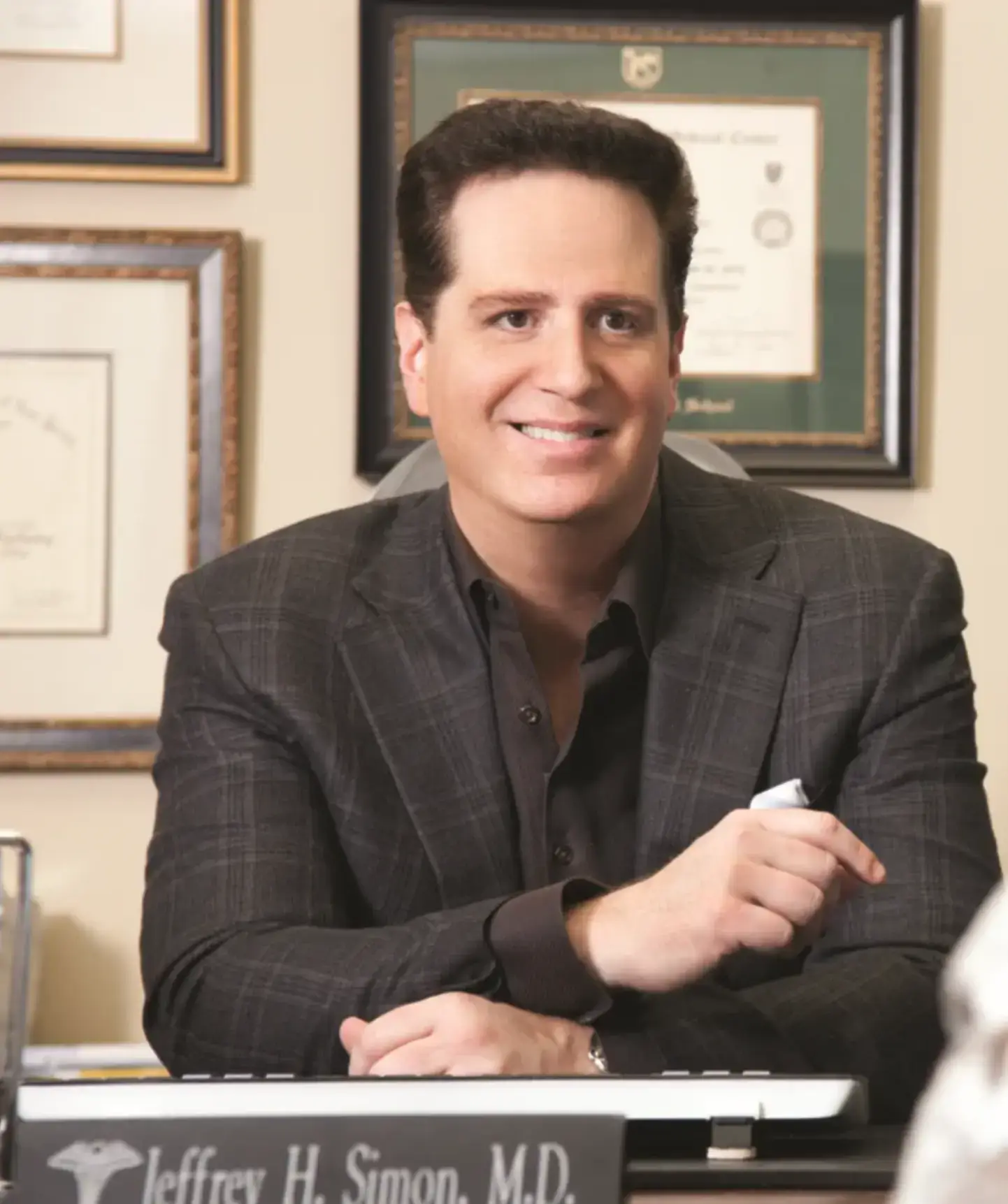
Suboxone treatment at Cherry Hill Recovery Center is managed by our licensed medical and clinical team — overseen by our Chief Medical Officer, board-certified psychiatrist Dr. Jeffrey Simon. Every patient receiving Suboxone as part of their PHP or IOP program has their medication managed by the same team overseeing their clinical treatment — ensuring fully integrated care with no gap between the medical and behavioral dimensions of recovery.
Check If Your Insurance Covers This Program
Most HMO, PPO, and EPO plans cover PHP and IOP. Find out in 60 seconds — free and completely confidential.
Verify Insurance NowFrequently Asked Questions About Suboxone in New Jersey
Talk to a Suboxone Doctor in Cherry Hill, NJ Today.
Suboxone treatment integrated into PHP or IOP at Cherry Hill Recovery Center. Most insurance accepted. Free assessment. Available 24 hours a day.